
POUYAMEHR BIOME
Advancing Agriculture Through Science and Innovation
THESIS
INTRODUCTION
Increasing water scarcity and the growing demand for sustainable agriculture have highlighted the importance of efficient water management. This research was motivated by the need to improve water use efficiency in agricultural systems through the application of precision agriculture technologies. By integrating intelligent irrigation approaches with advanced data-driven techniques, the study aimed to enhance crop productivity, optimize resource utilization, and contribute to sustainable agricultural development under water-limited conditions.
1. Importance of Water Resources
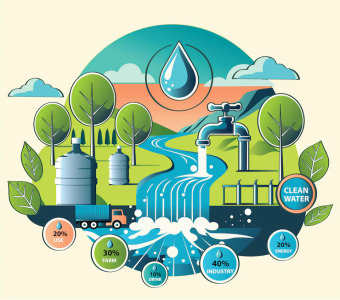
Increasing competition over limited water resources, combined with the critical role of agriculture as both the largest consumer of freshwater and the main food producer, has made improving water use efficiency an urgent priority for sustainable development. Studies indicate that global water demand is expected to increase significantly by 2050, while agriculture already accounts for around 70% of freshwater consumption, highlighting the severity of future water scarcity challenges.
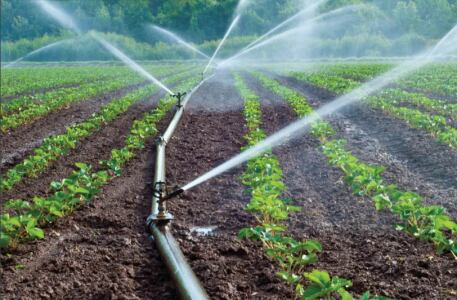
In addition to resource limitations, substantial water losses in agricultural systems further intensify the crisis. Inefficiencies in irrigation networks, outdated farming practices, and inadequate water management contribute to considerable water wastage, significantly reducing irrigation efficiency. Therefore, enhancing water productivity through modern irrigation technologies, improved management practices, and the development of alternative water resources is essential to address water scarcity and ensure long-term food security.
2. The Need for Water Management in Agriculture
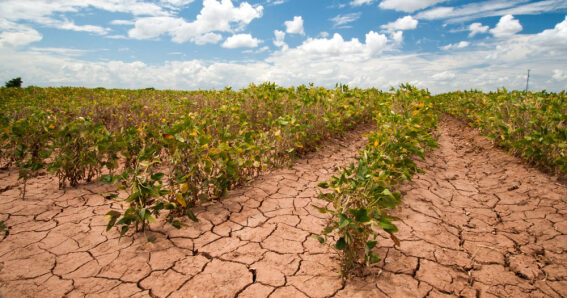
The increasing demand for food and the unsustainable use of water resources have highlighted the need for advanced irrigation management strategies. Conventional irrigation practices often lead to excessive water consumption, nutrient losses, and reduced crop performance due to inadequate control of soil moisture. Recent developments in precision agriculture have provided new opportunities to optimize irrigation scheduling and improve water use efficiency through the application of sensors and intelligent control systems.
Therefore, this study aimed to develop and evaluate a precision irrigation system capable of monitoring soil moisture under different water stress levels and superabsorbent applications. The effects of these factors on the growth, yield, and physiological and biochemical characteristics of cherry tomato plants were also investigated, with the ultimate goal of enhancing water productivity and promoting sustainable agricultural practices.

3. Rationale of the Study
Methodology
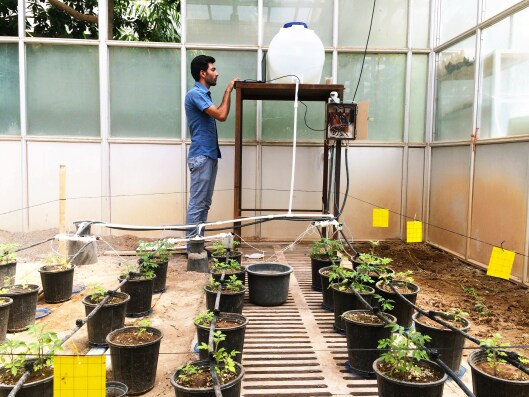
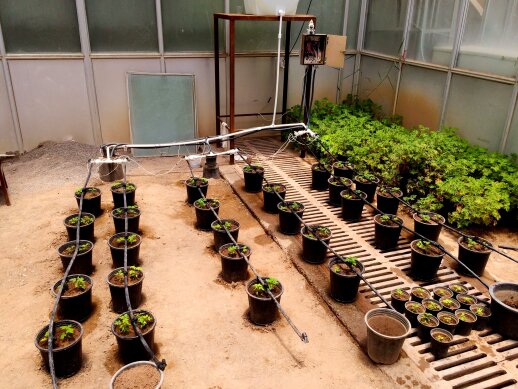
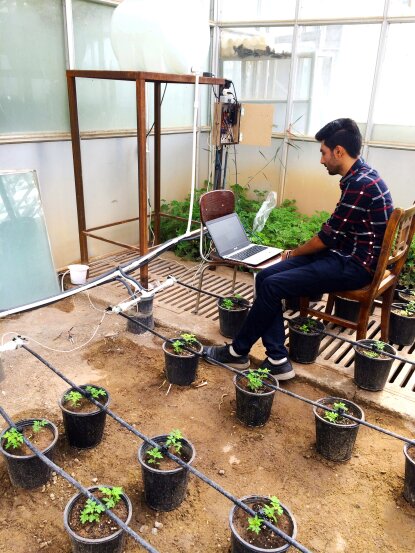
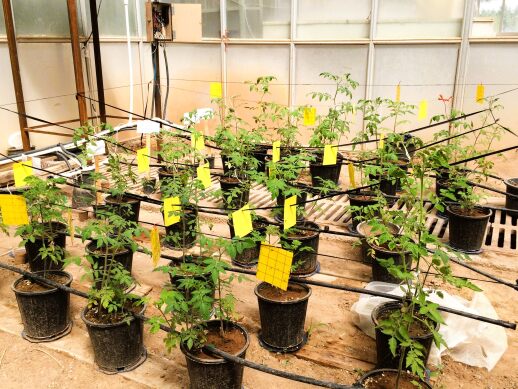
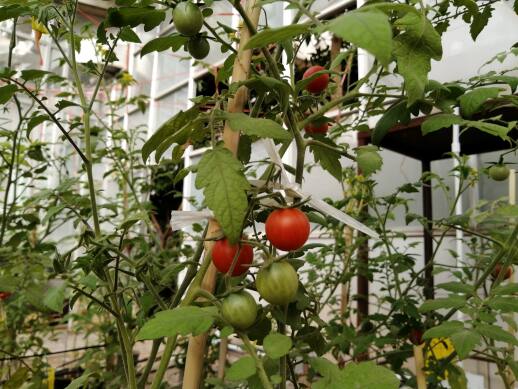
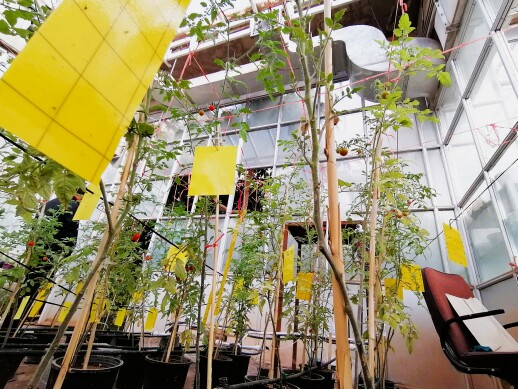
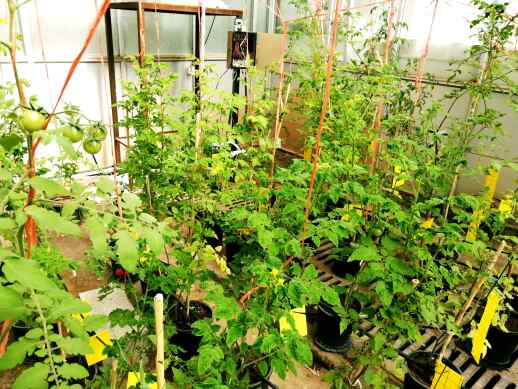
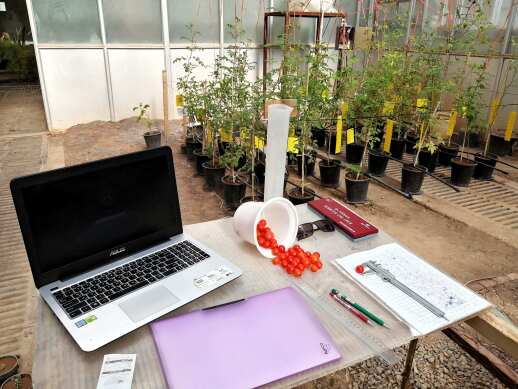
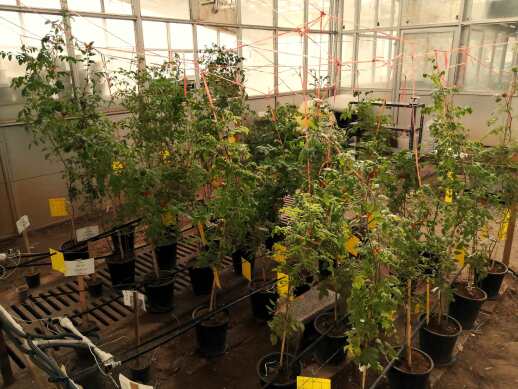
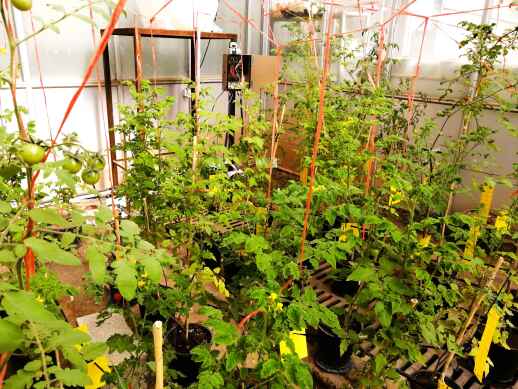
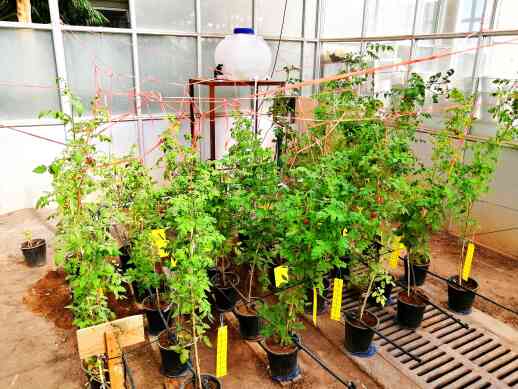
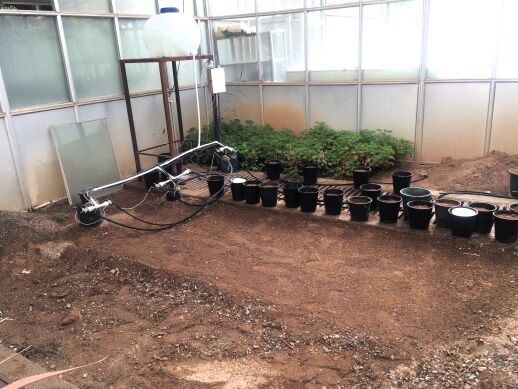
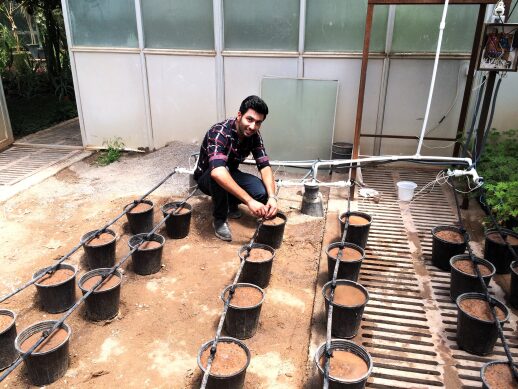
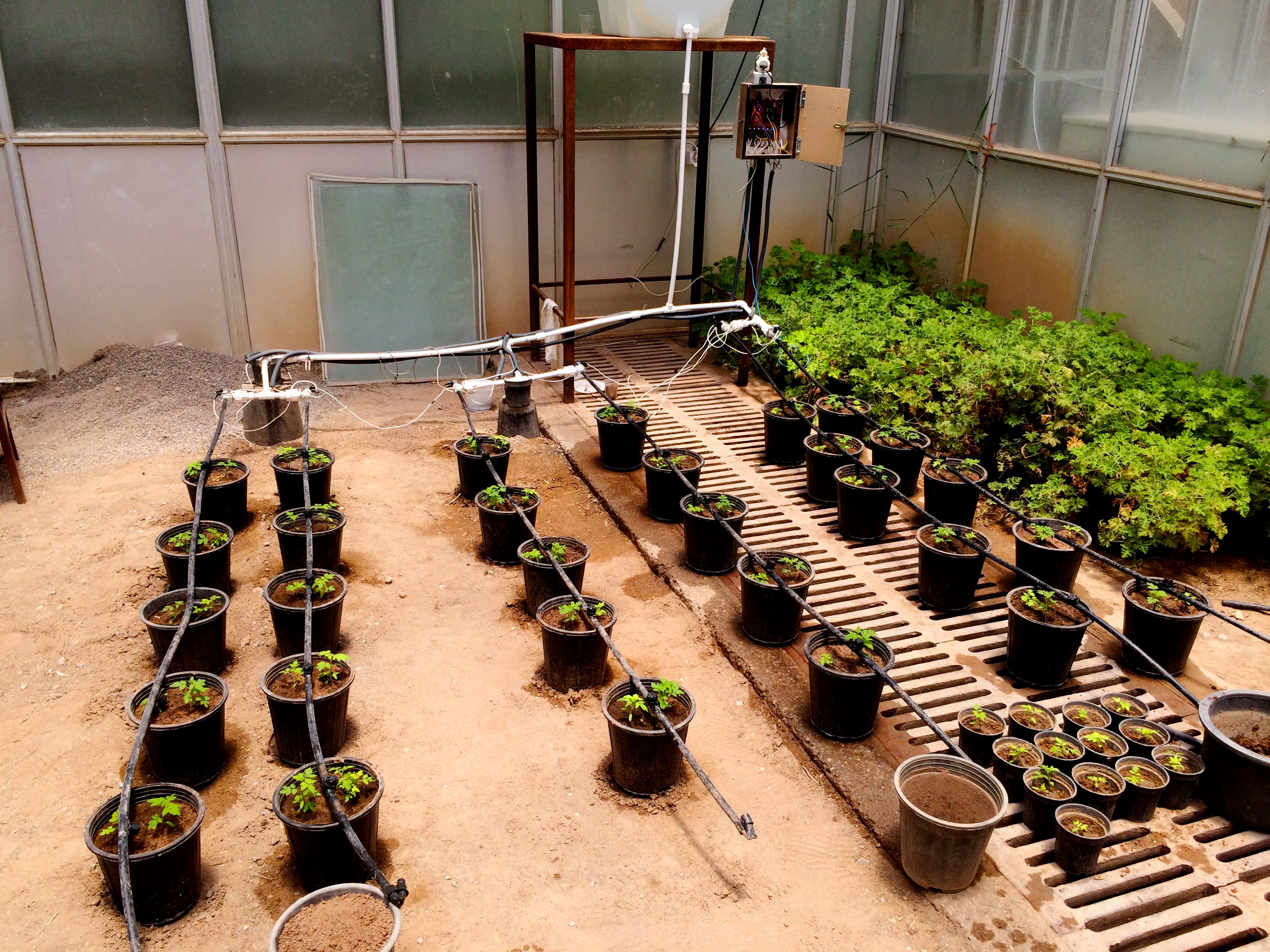
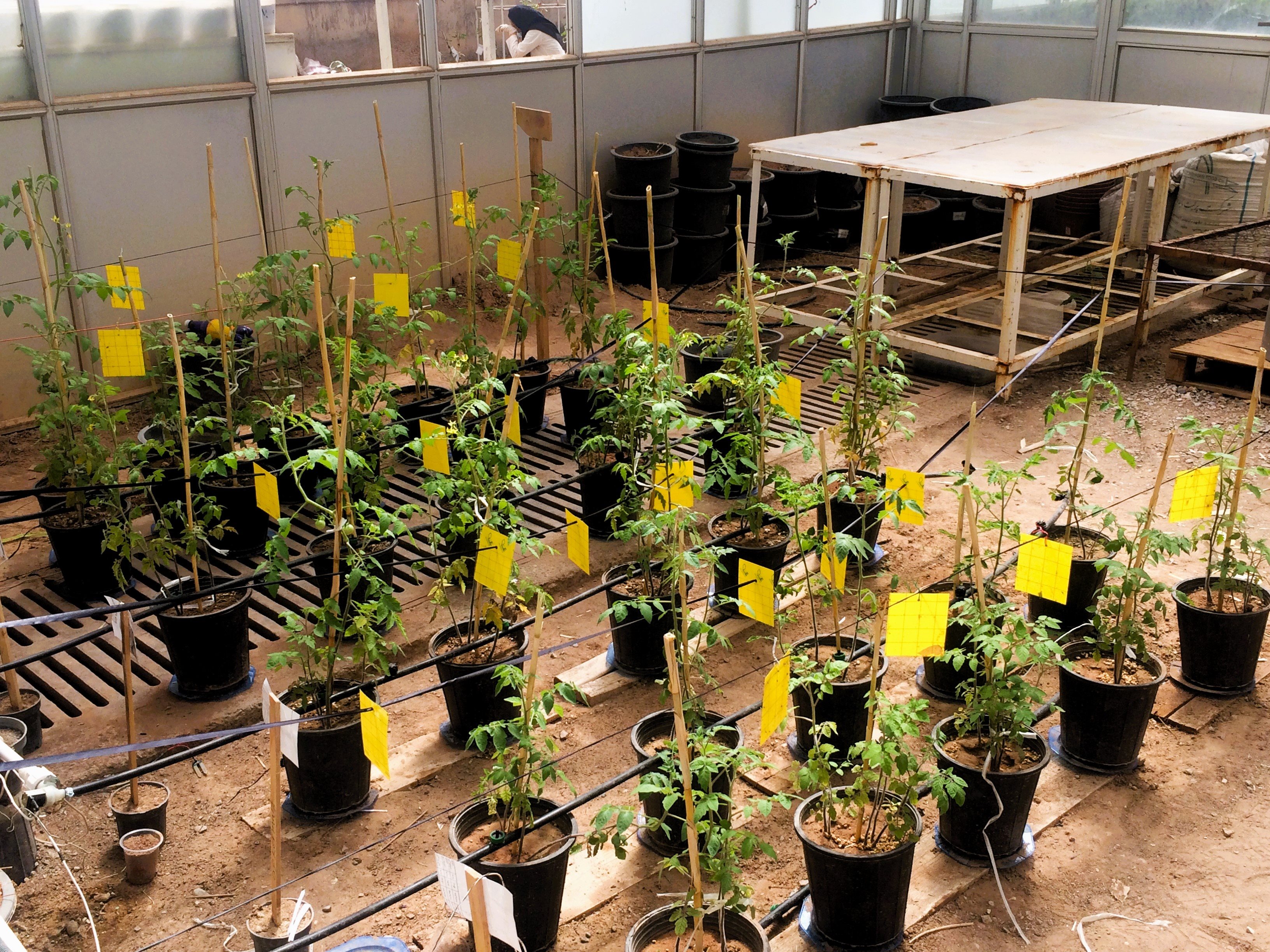
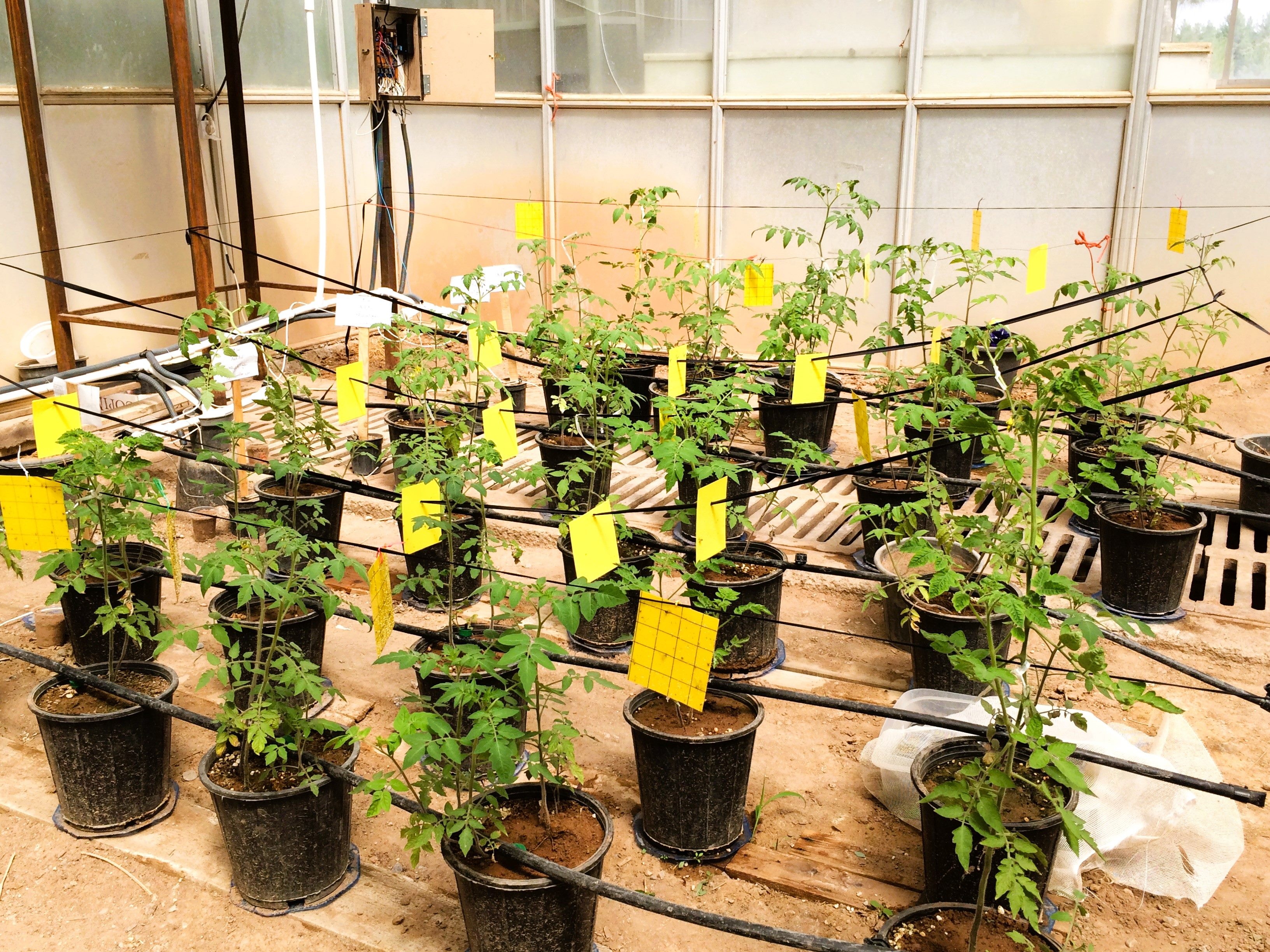
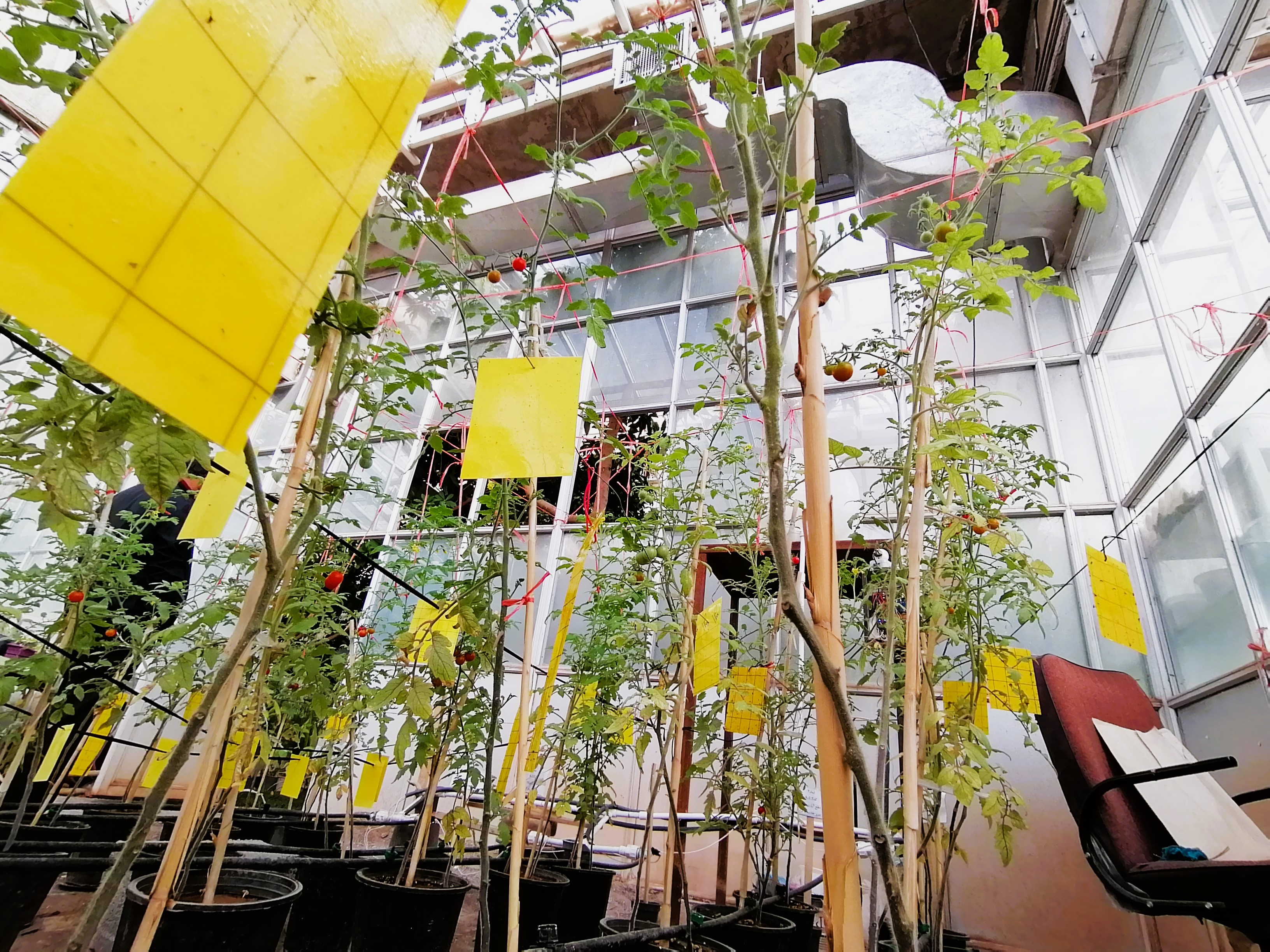
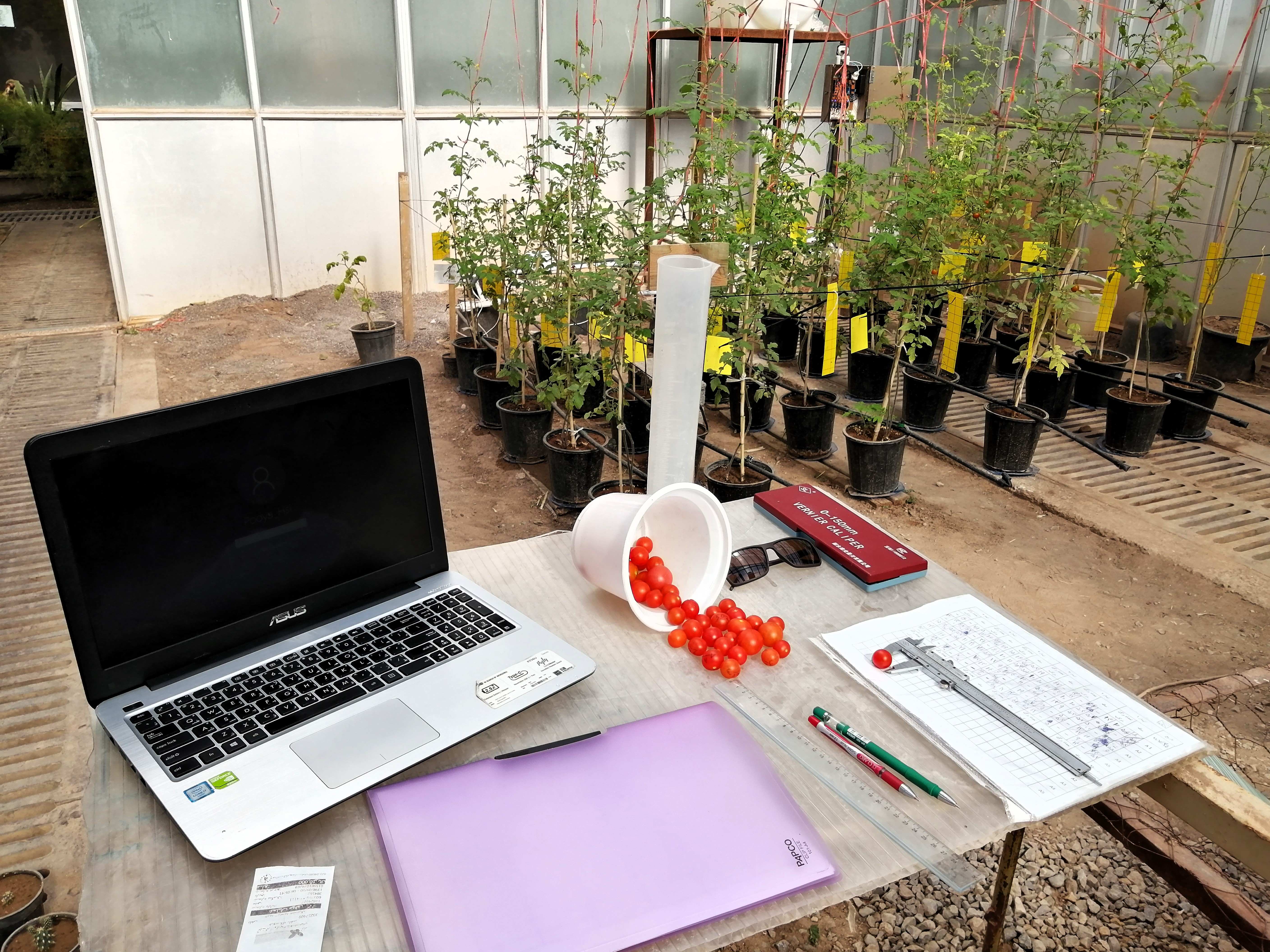
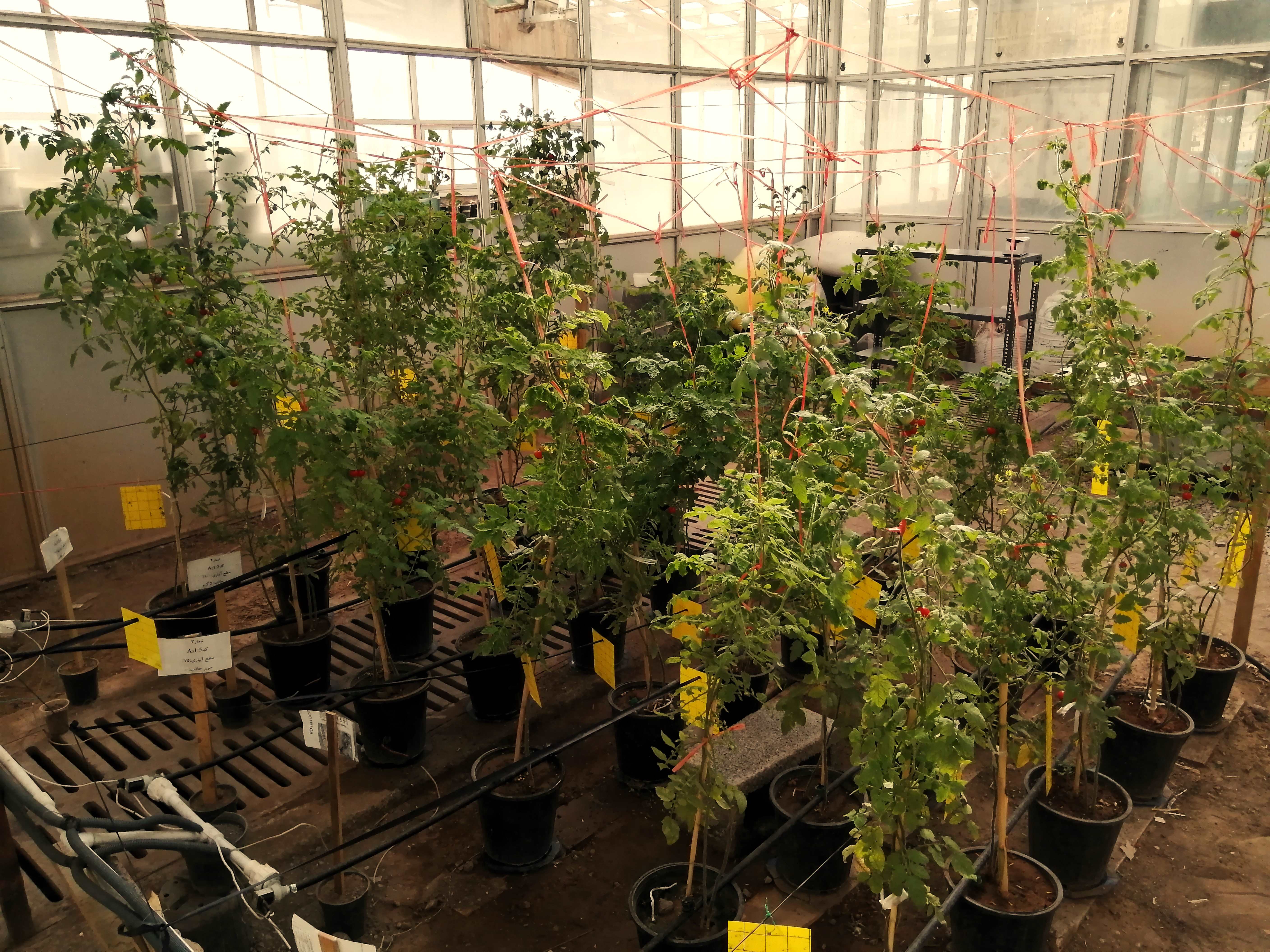
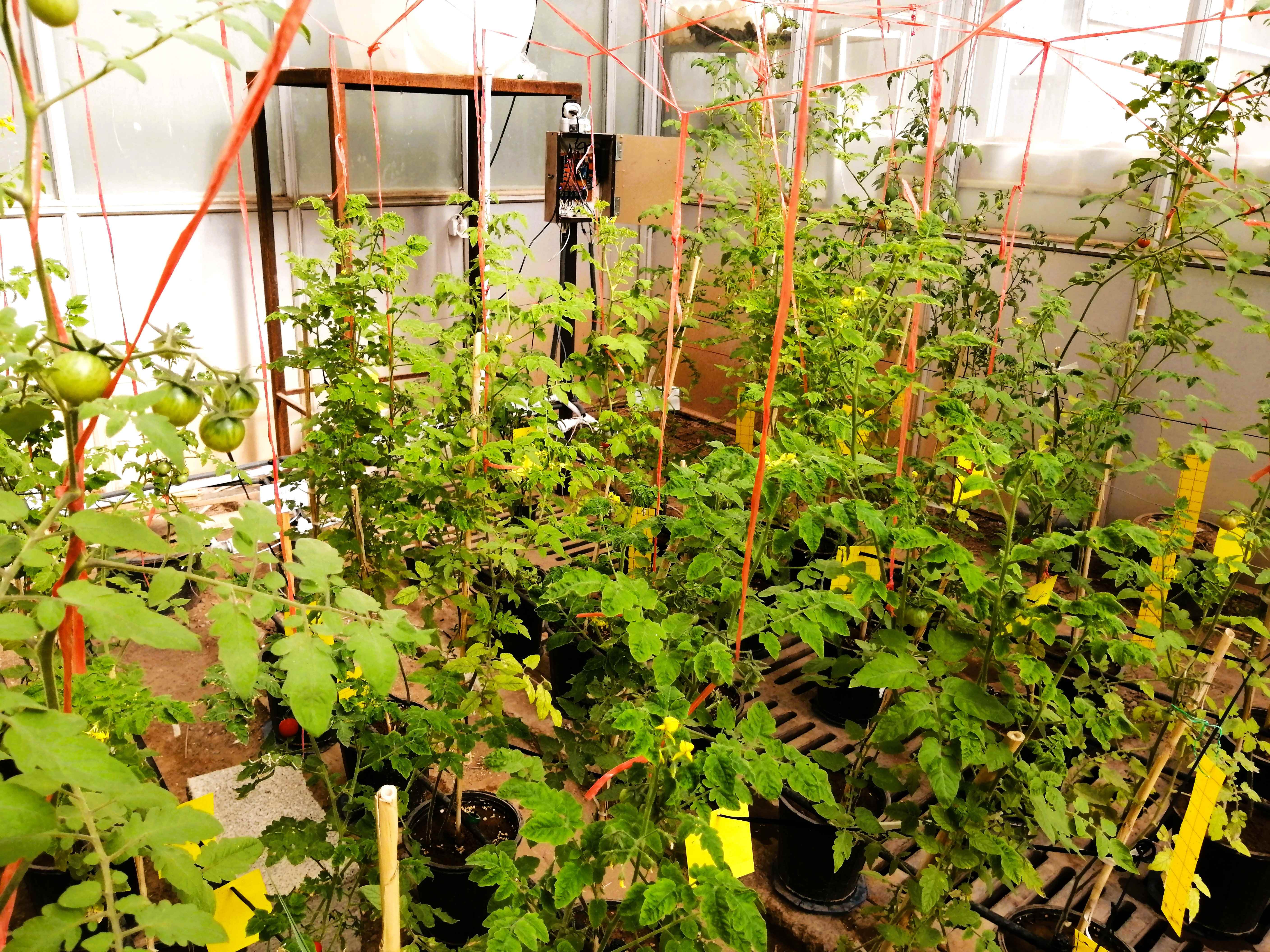
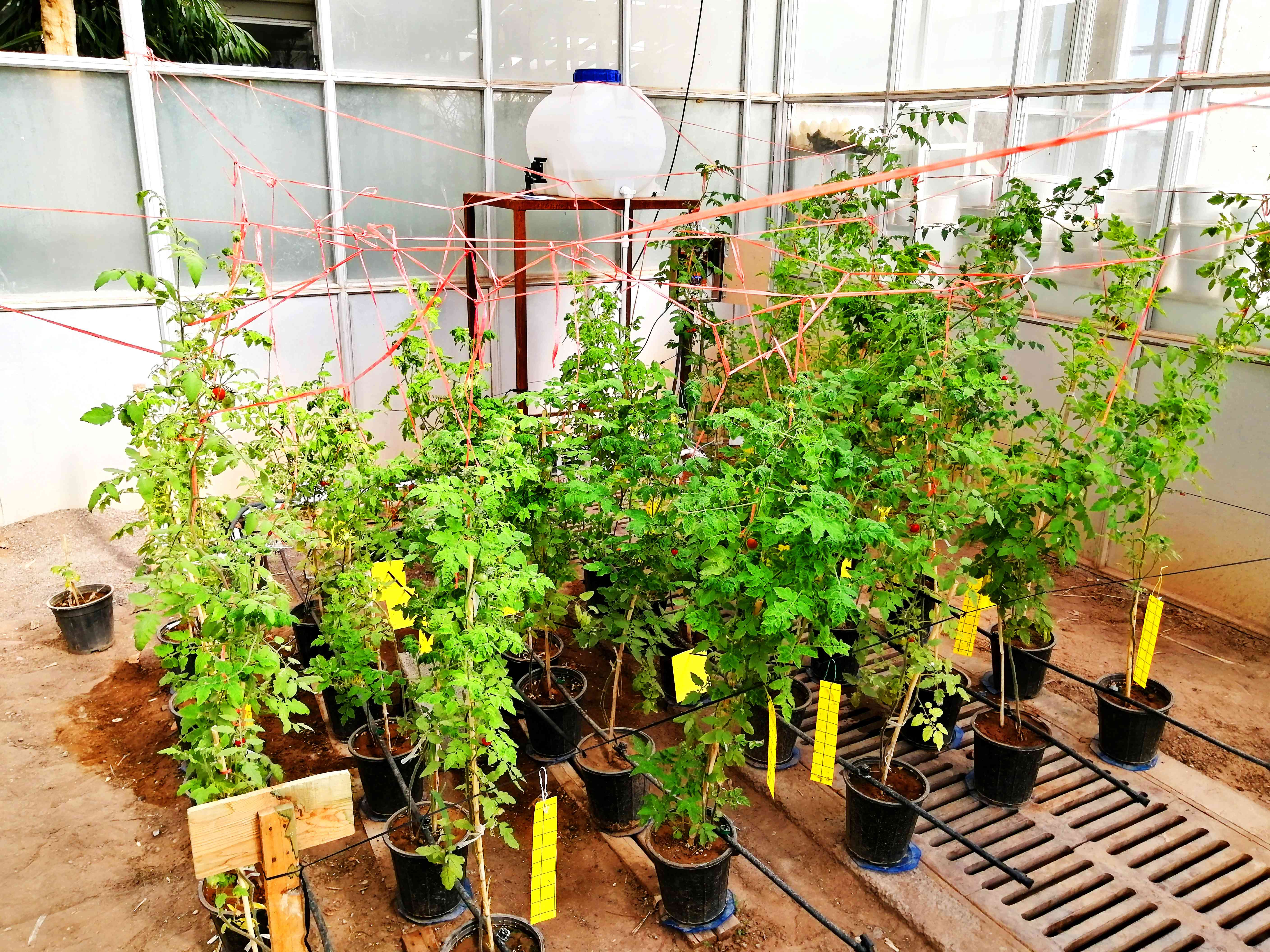
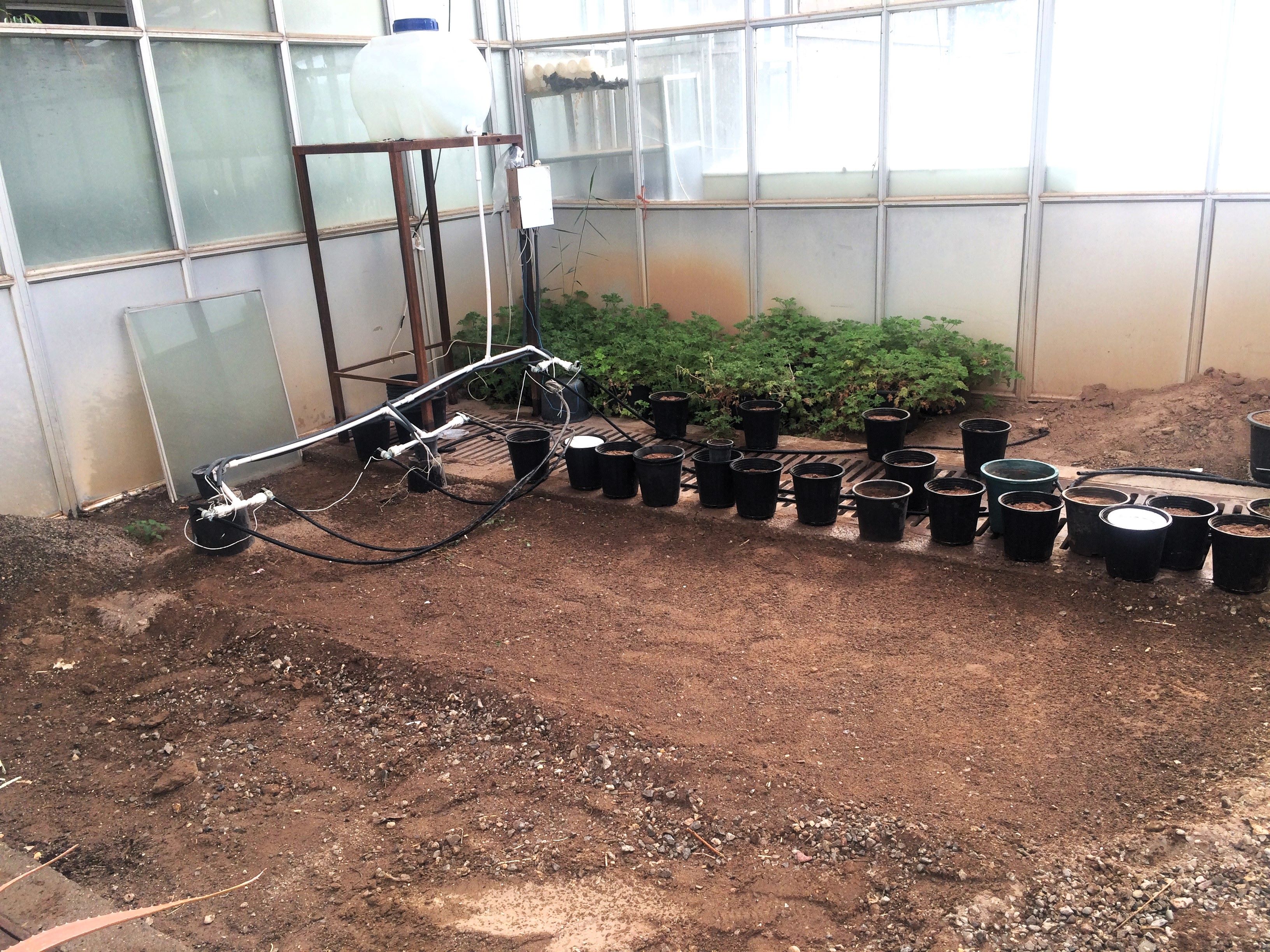
This study was conducted in the research greenhouse of the Faculty of Agriculture at Shahid Bahonar University of Kerman to evaluate the performance of an intelligent drip irrigation system for controlling water consumption in cherry tomato plants under different water stress levels and superabsorbent applications. The research was carried out in three phases.
The first phase involved extensive literature review, data collection on intelligent irrigation technologies, and the design and development of an intelligent drip irrigation system capable of monitoring environmental parameters and applying water volumes corresponding to the desired moisture stress levels in greenhouse conditions.
The second phase focused on evaluating the capability of the developed system in maintaining different soil moisture regimes under superabsorbent treatments and investigating the effects of the applied treatments on selected physiological and biochemical characteristics of cherry tomato plants.
The third phase included the assessment of fitted water production functions and the evaluation of artificial neural network models for estimating greenhouse evapotranspiration of cherry tomato plants.
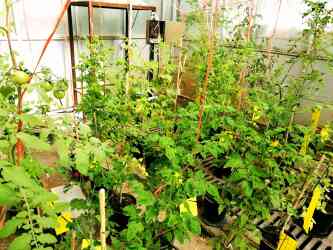

Water is being depleted globally faster than we think. Climate change and excessive water consumption are accelerating the decline of freshwater resources. Therefore, sustainable water management is essential to ensure future water security.
Despite having modern technologies, irrigation is still carried out using inefficient traditional methods.
This leads to excessive water consumption and reduces overall water-use efficiency. Therefore, adopting smart and sustainable irrigation systems is becoming increasingly important.
Methodology
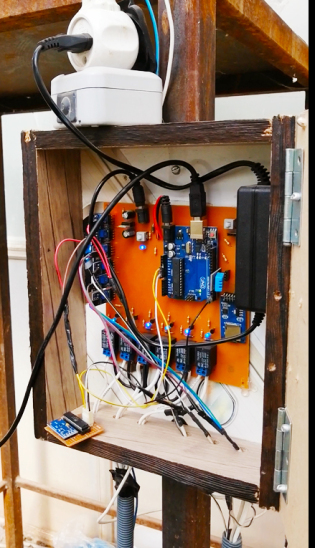
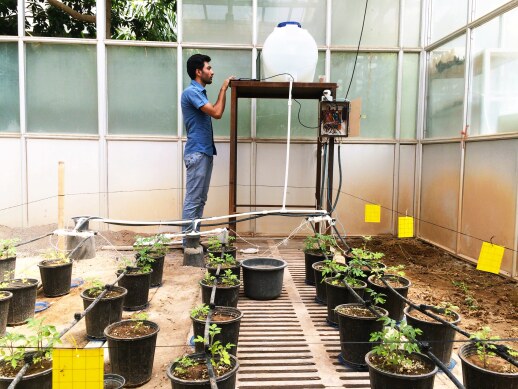
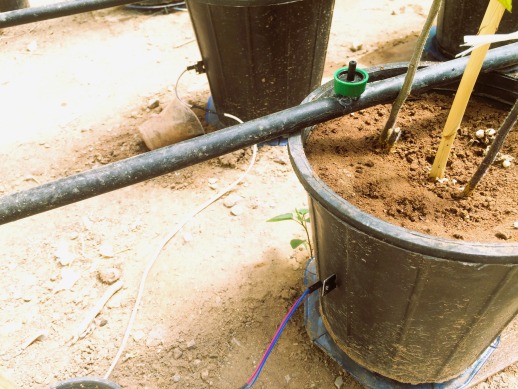
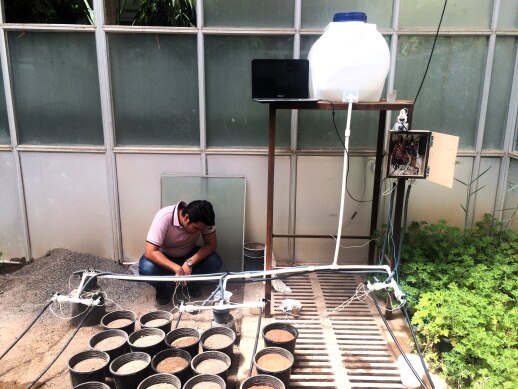
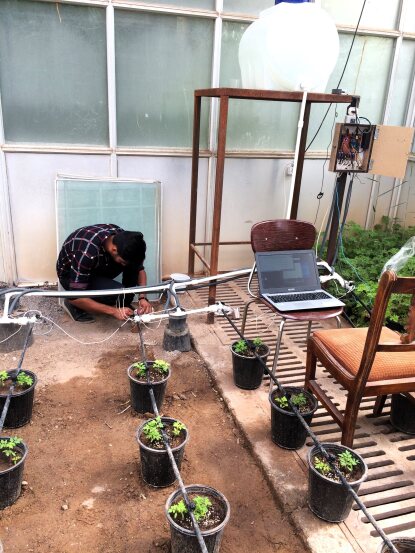
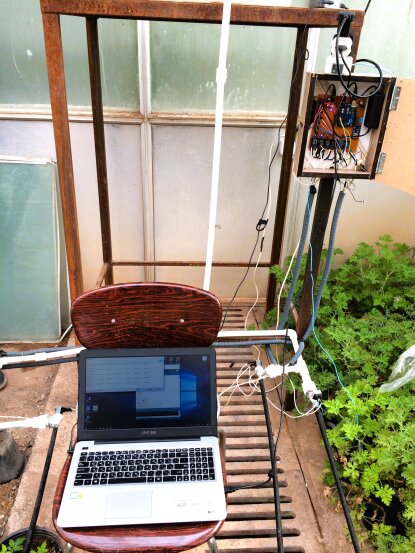
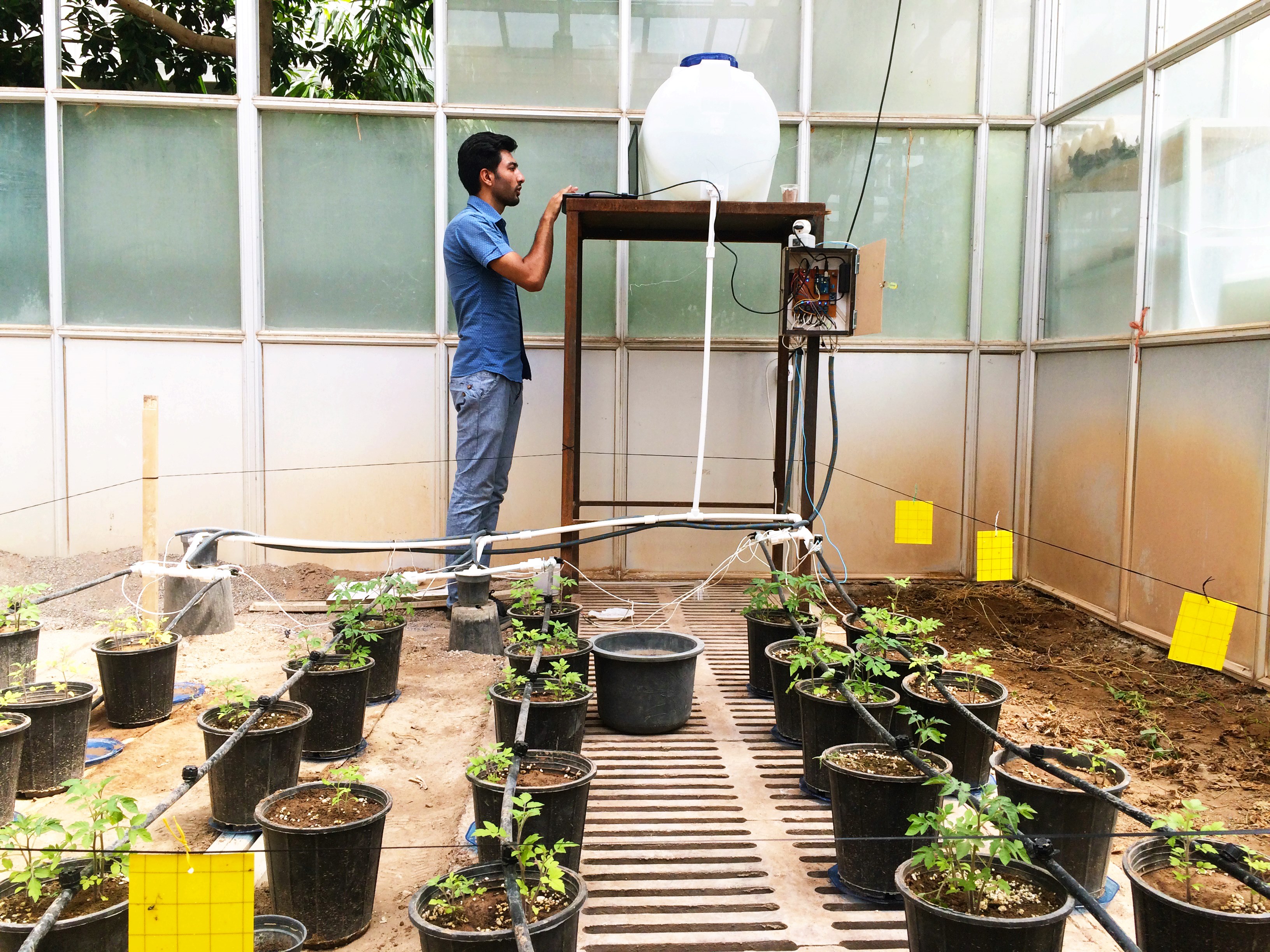
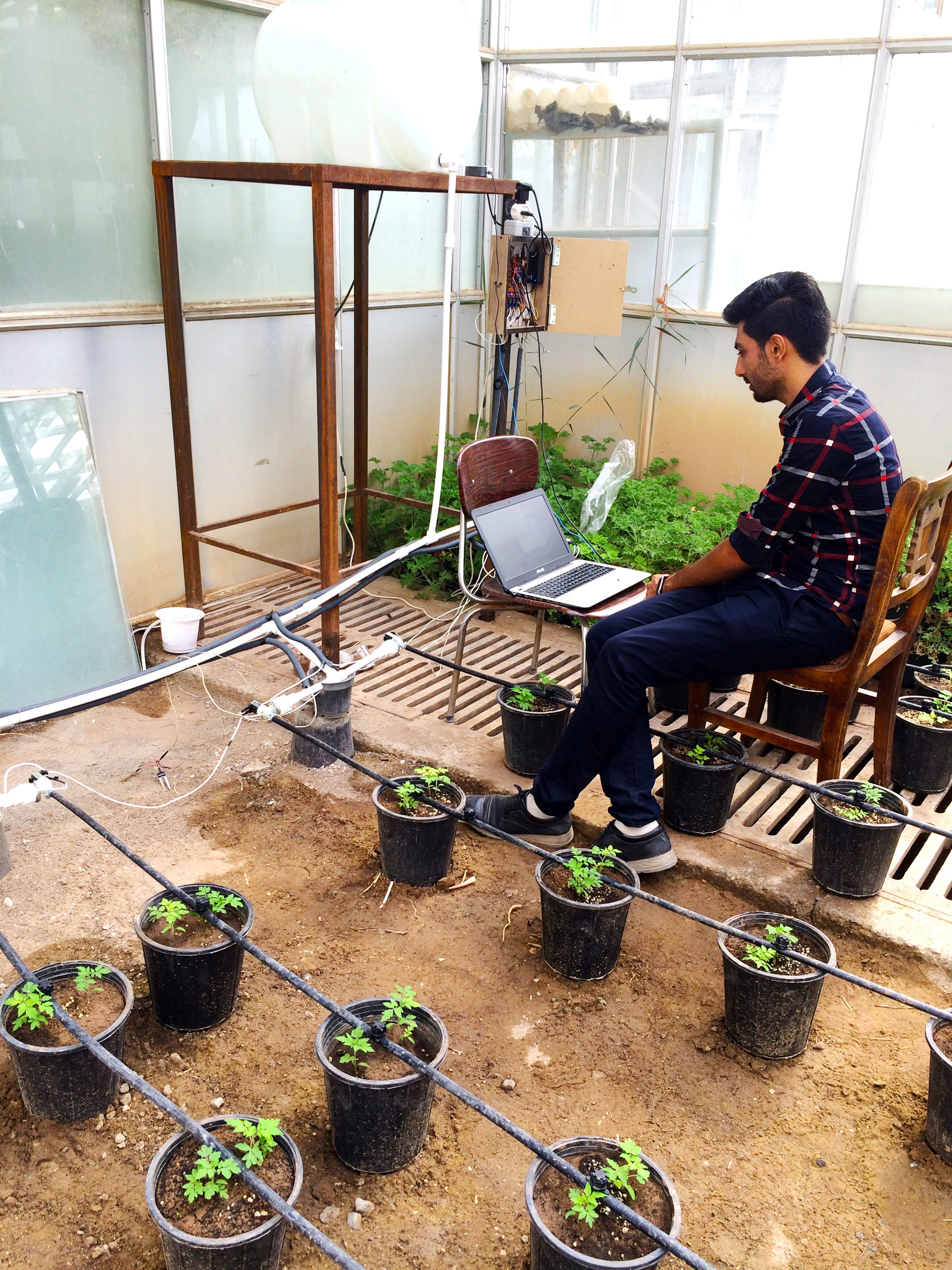
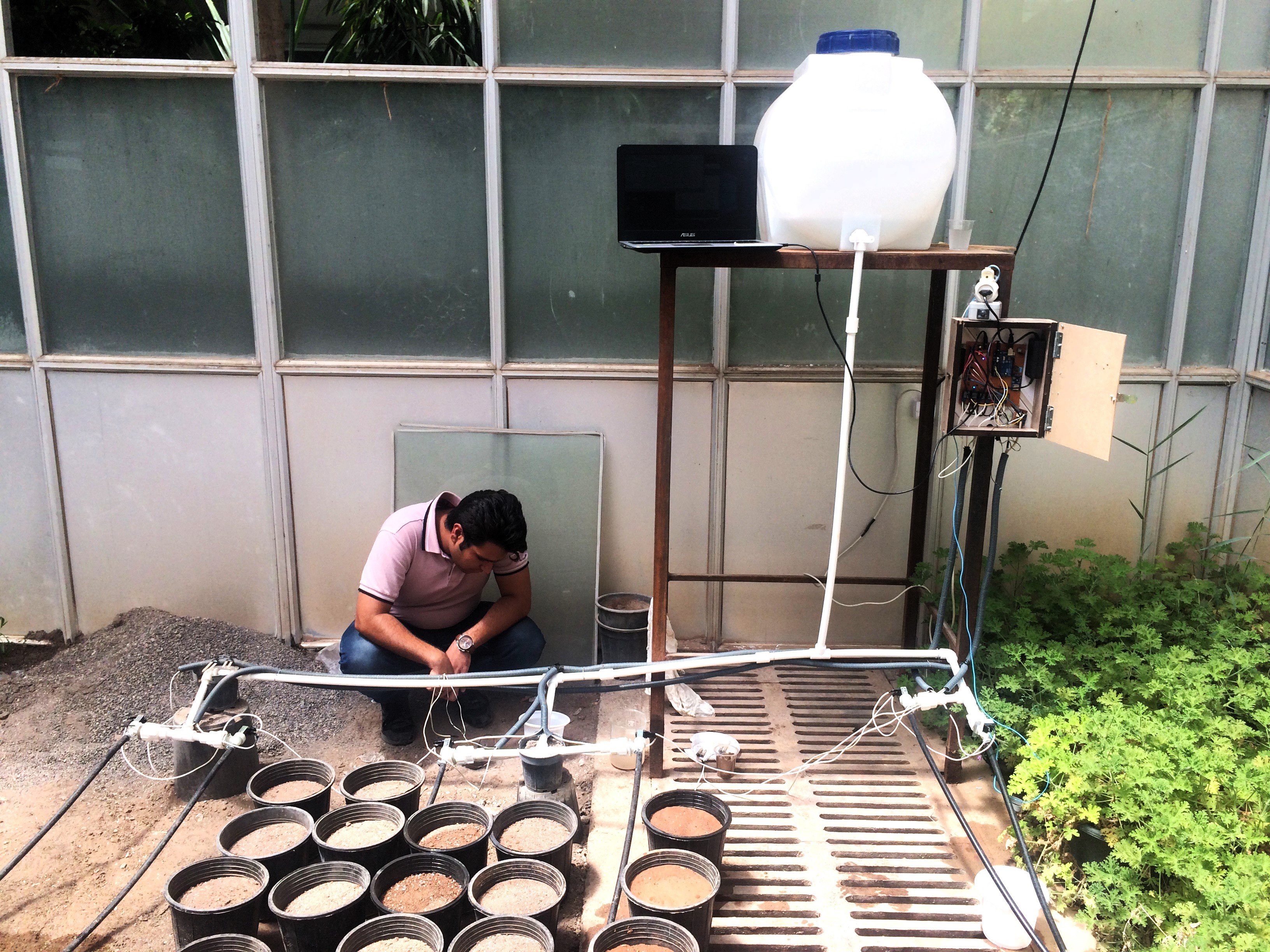
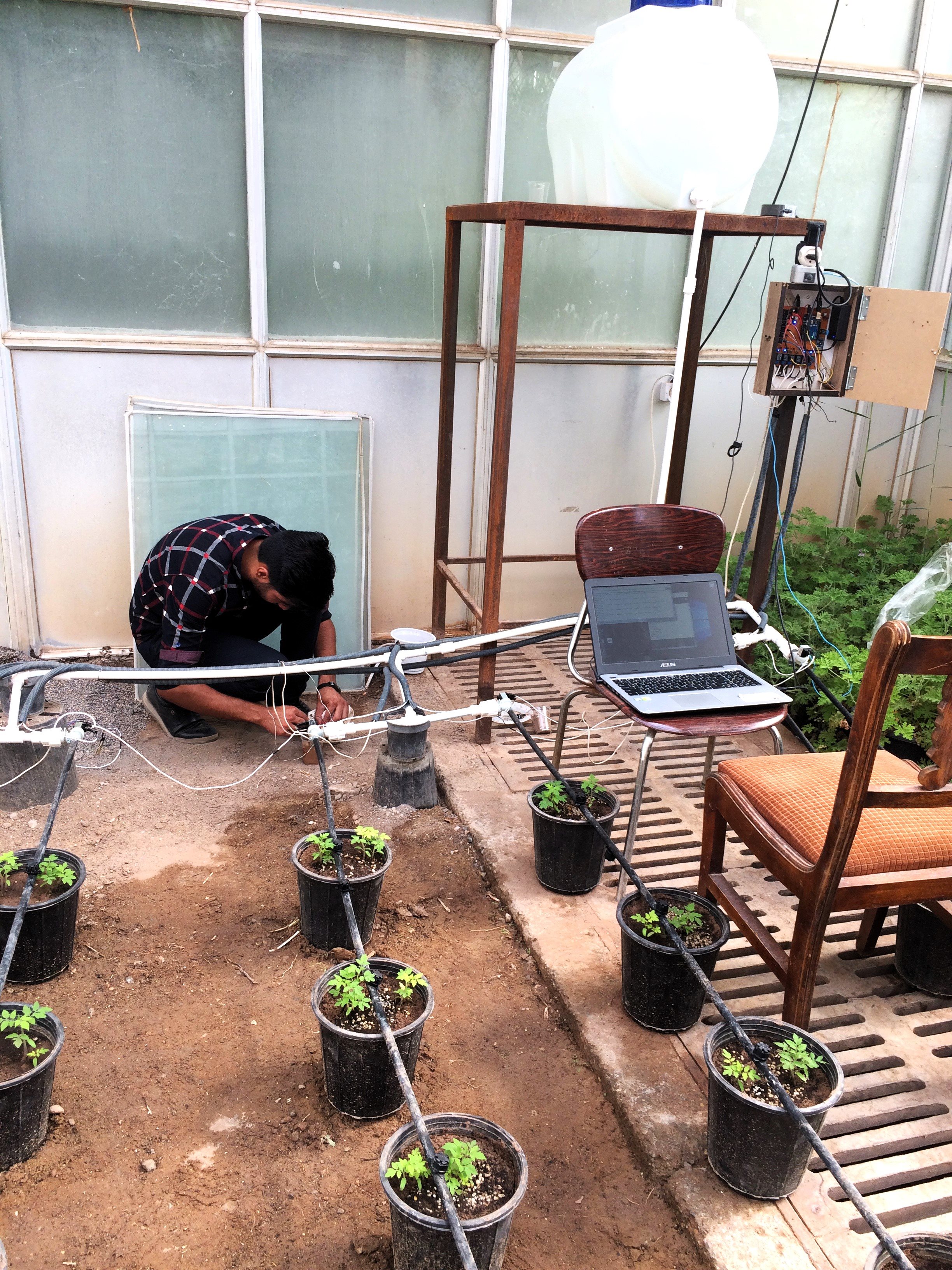
To ensure precise soil moisture control and appropriate irrigation scheduling, a greenhouse-scale intelligent drip irrigation system was designed and developed. The system is capable of monitoring and recording key environmental parameters, including air humidity, air temperature, solar radiation, and soil moisture. It enables users to analyze environmental fluctuations and effectively manage irrigation volume while maintaining plant health and vitality in greenhouse conditions.
In the initial stage, an extensive four-month literature review and feasibility study were conducted to identify system components, sensor integration methods, and data acquisition and storage mechanisms. The main findings of this phase are summarized below.
Study, Design, and Development of an Intelligent Drip Irrigation System
Phase I
Introduction to the Components of the Intelligent Irrigation System
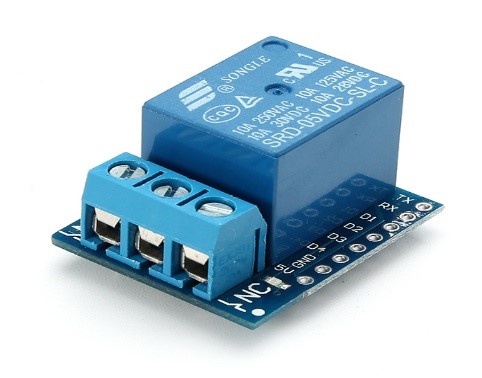
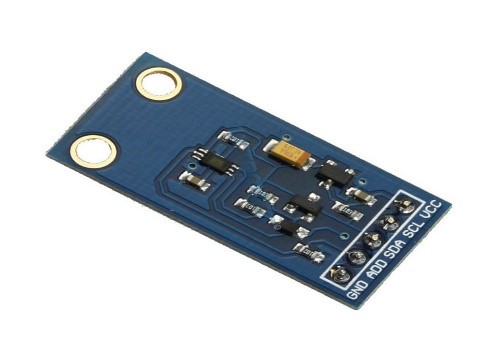
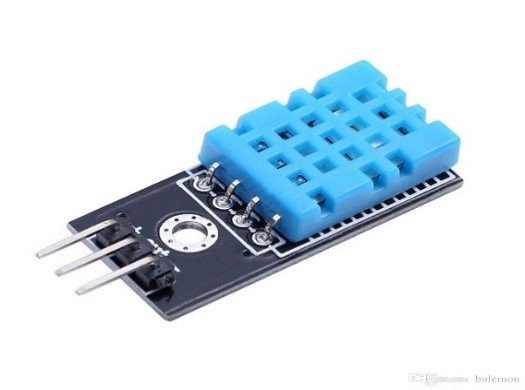
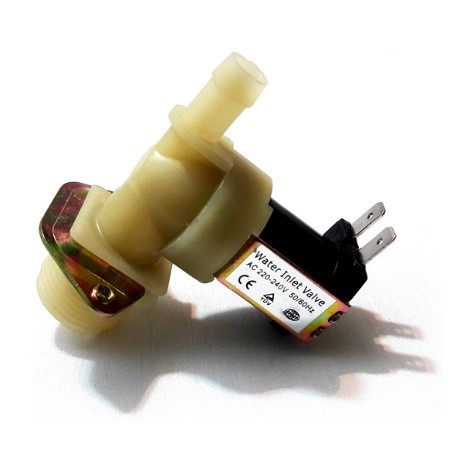
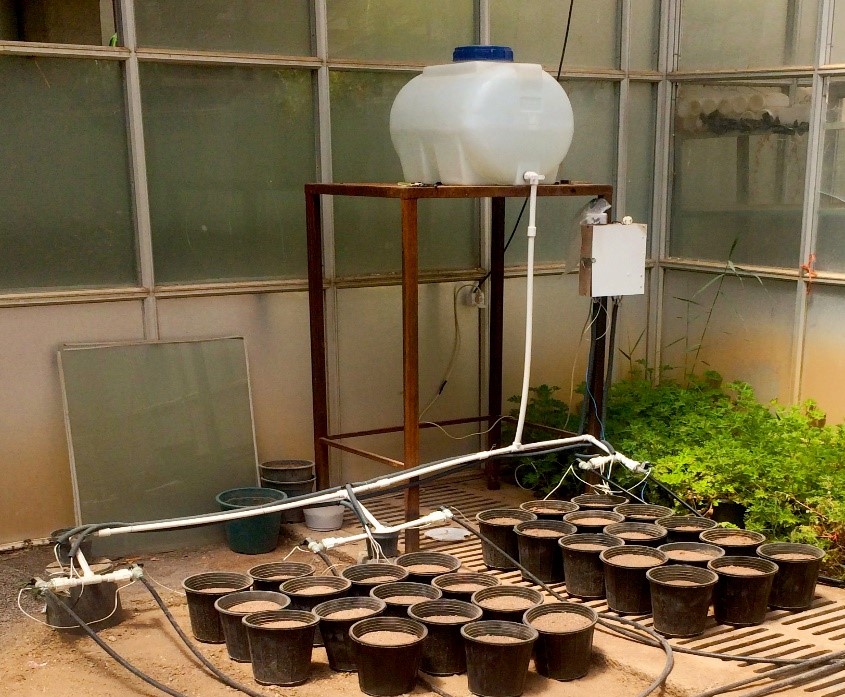
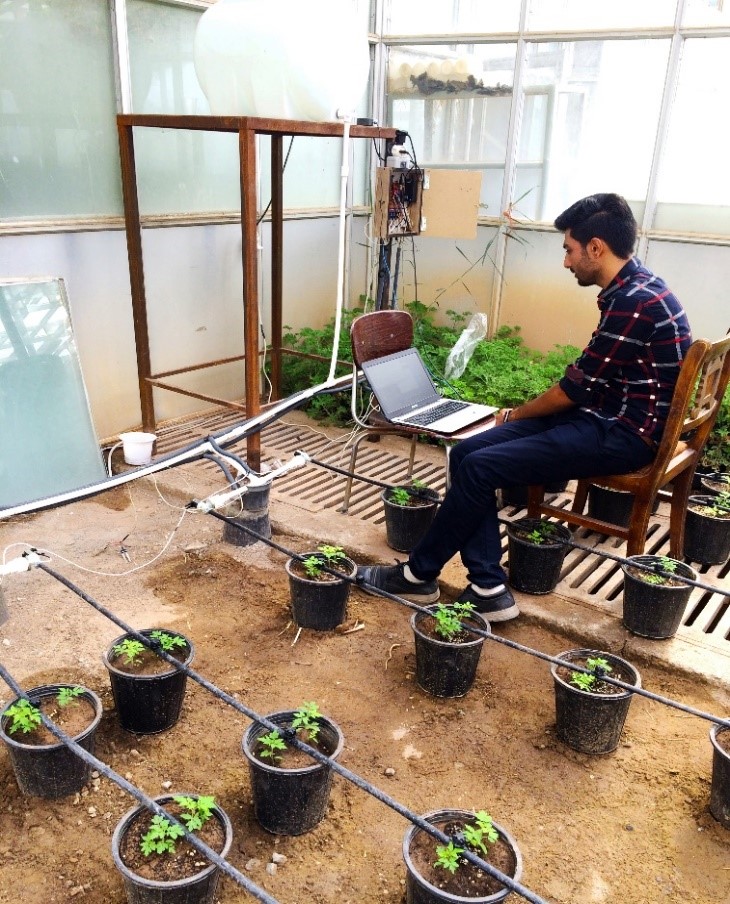
Irrigation system operation
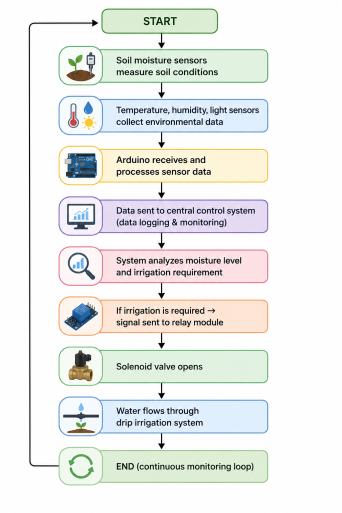
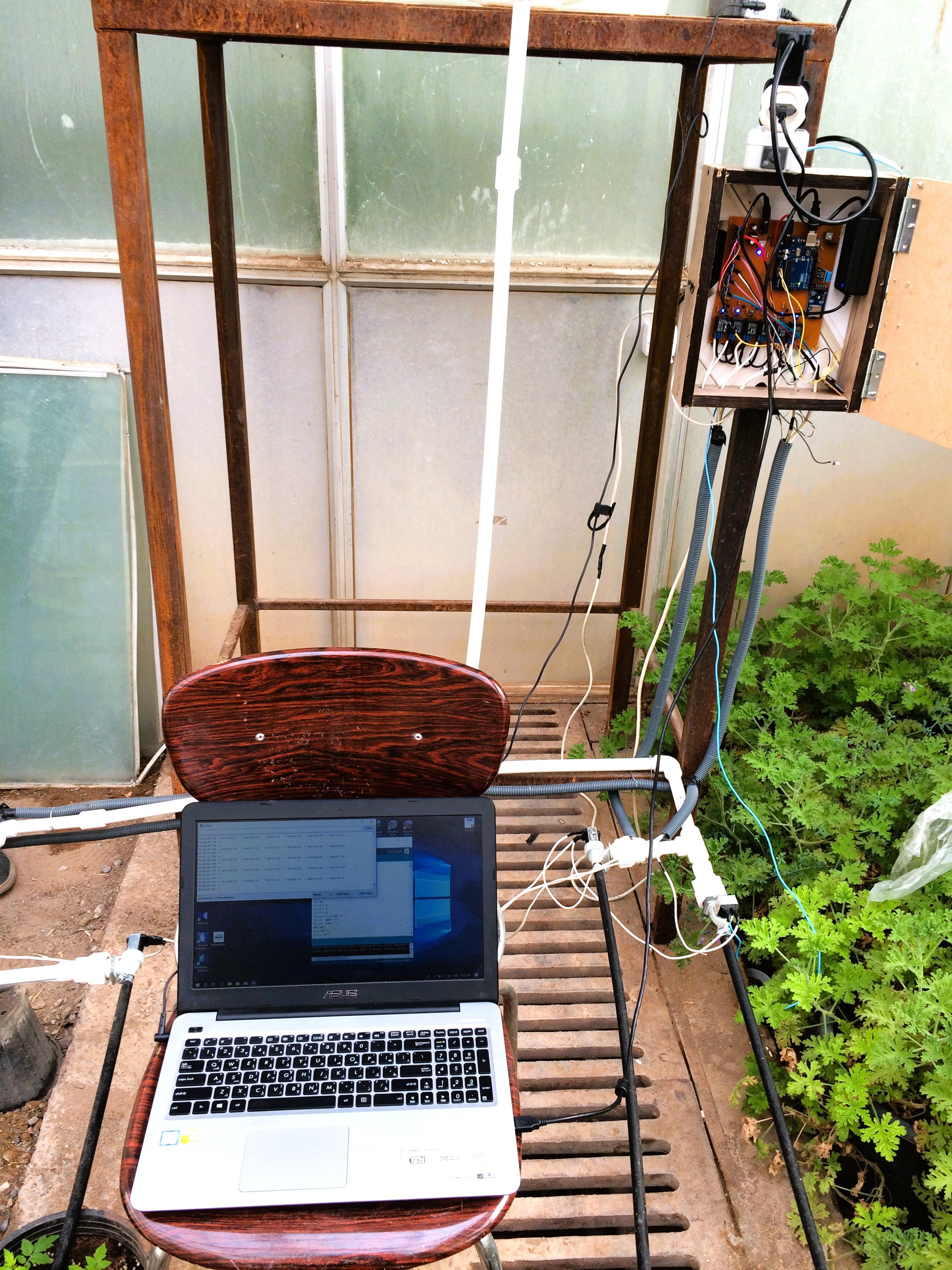
The system operates by continuously collecting environmental data, including air humidity, air temperature, light intensity, and soil moisture, through installed sensors. These measurements are transmitted to the control unit for further processing.
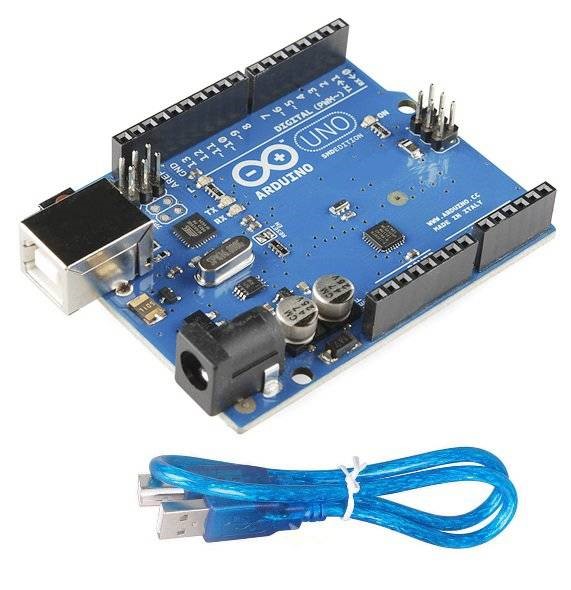
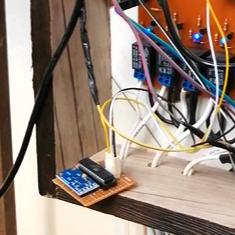
Irrigation is managed in a data-driven manner. After being recorded on a memory card, the sensor data are converted into digital signals via an Arduino module. The processed data are then transferred to an integrated control board, where they are analyzed according to a predefined algorithm.
If the soil moisture level falls below the defined threshold, the system automatically sends a command to the relays to activate the solenoid valve and initiate irrigation. Since the process operates in real time, once the soil moisture reaches the desired level, the same mechanism is triggered in reverse to deactivate the solenoid valve and stop irrigation.
Methodology
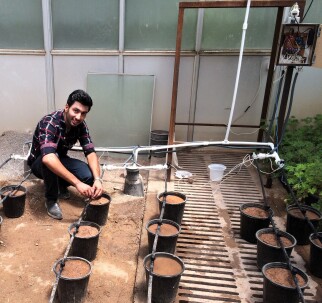
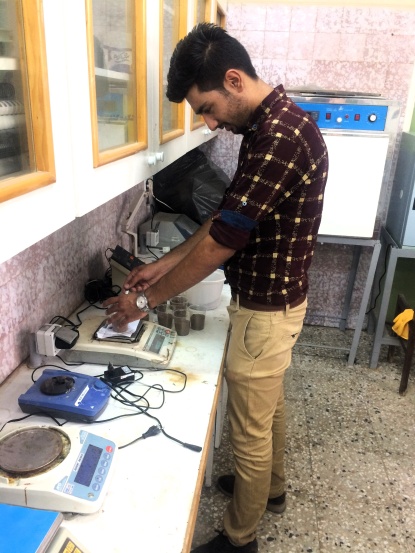
Following the development of the device, the accuracy of the recorded data and the proper functioning of the sensors were thoroughly validated to ensure the reliability of the system. After confirming its performance, the smart irrigation system was evaluated under different soil moisture levels, the experiment was conducted in a greenhouse using a factorial arrangement based on a completely randomized design with five replications. At the end of the study, several physiological and biochemical traits of the tomato plants were evaluated.
Evaluation of the Smart Drip Irrigation System Performance
Phase II
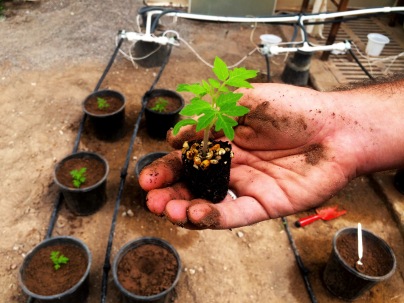
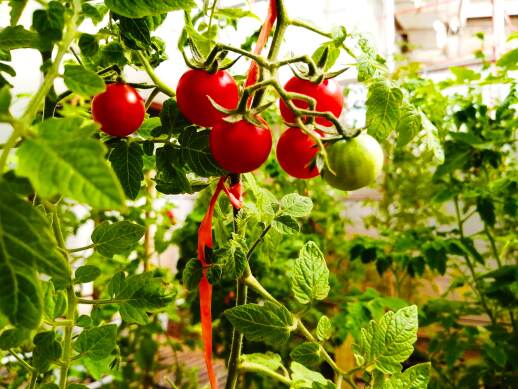
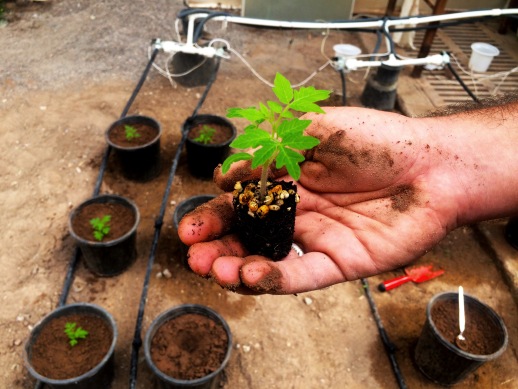
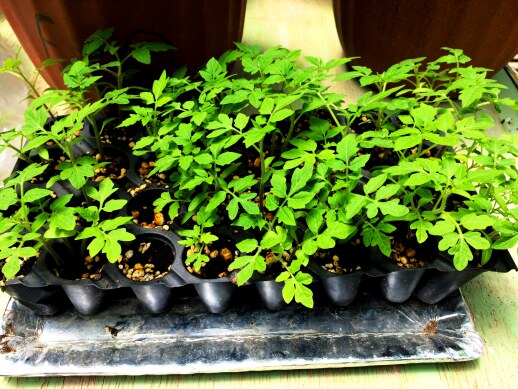
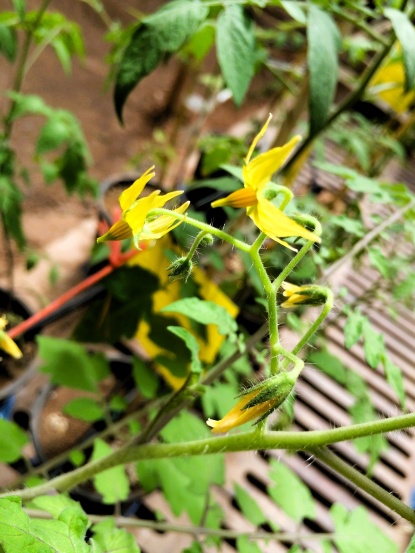
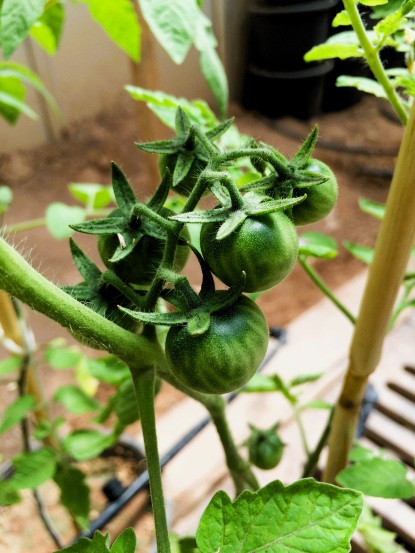
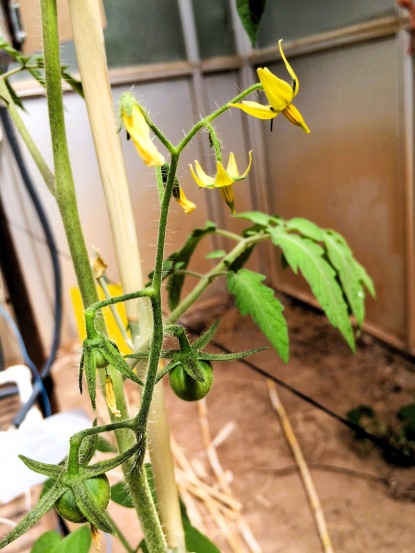
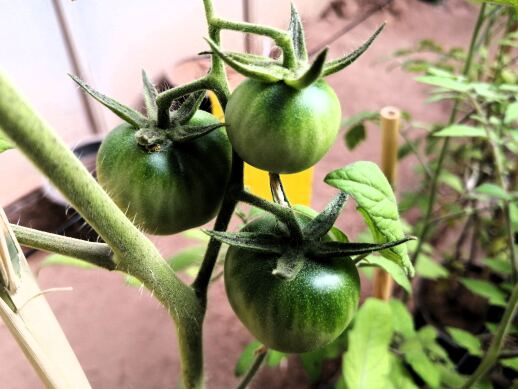
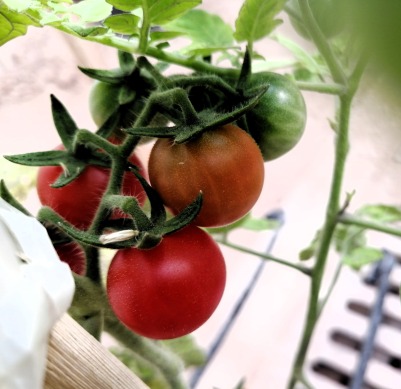
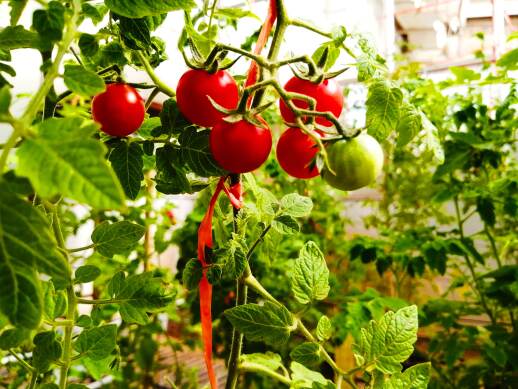
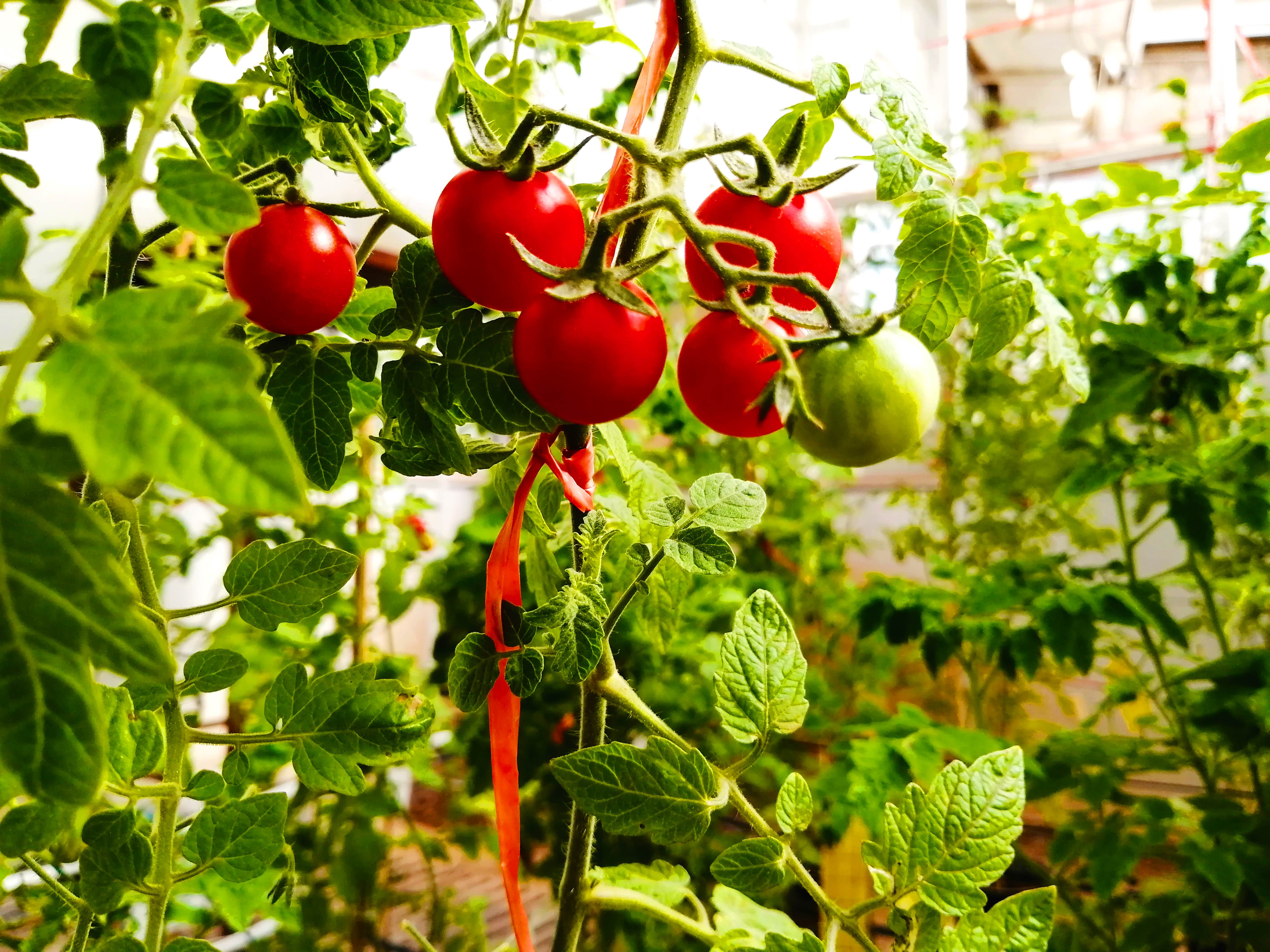
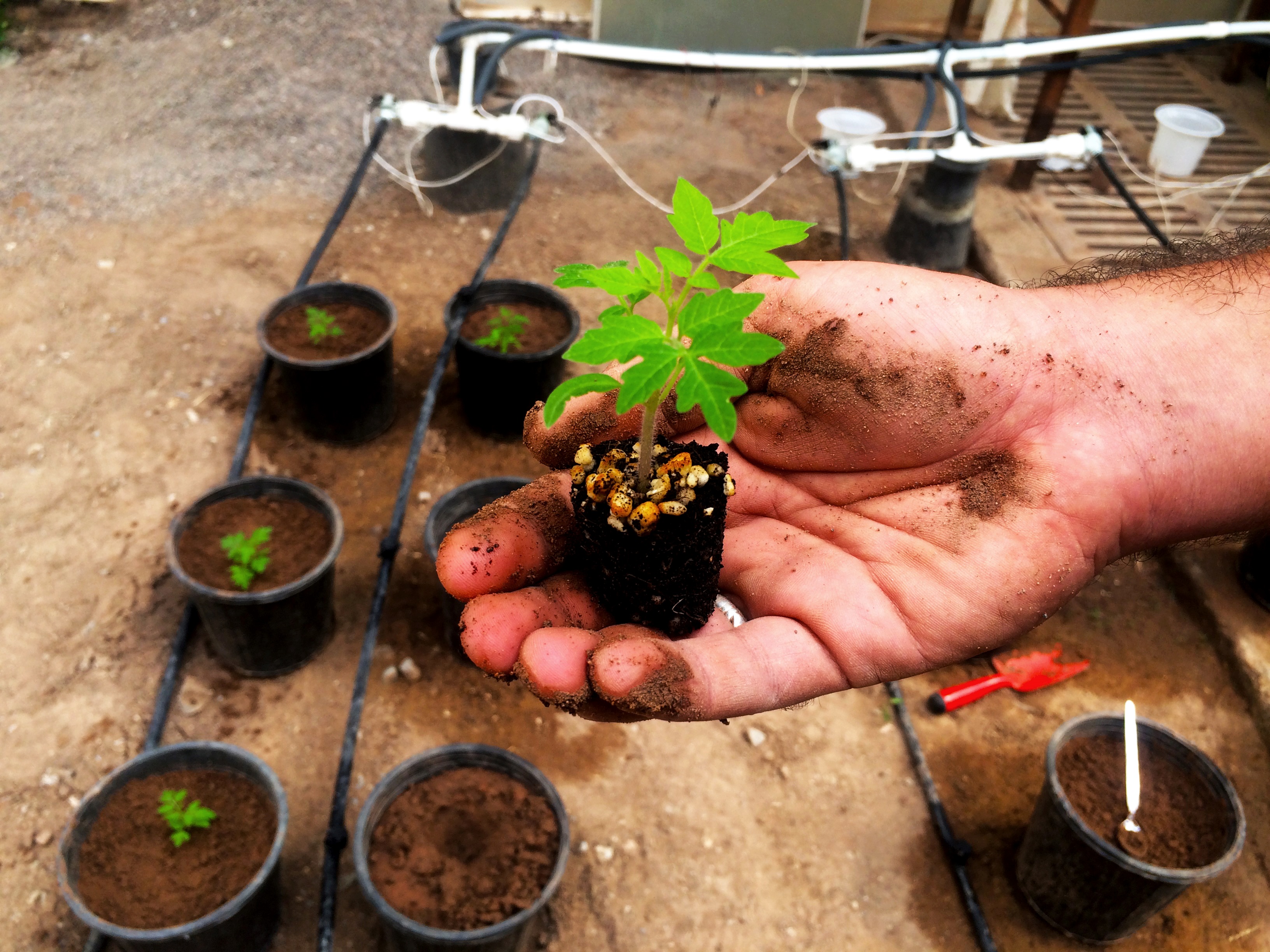
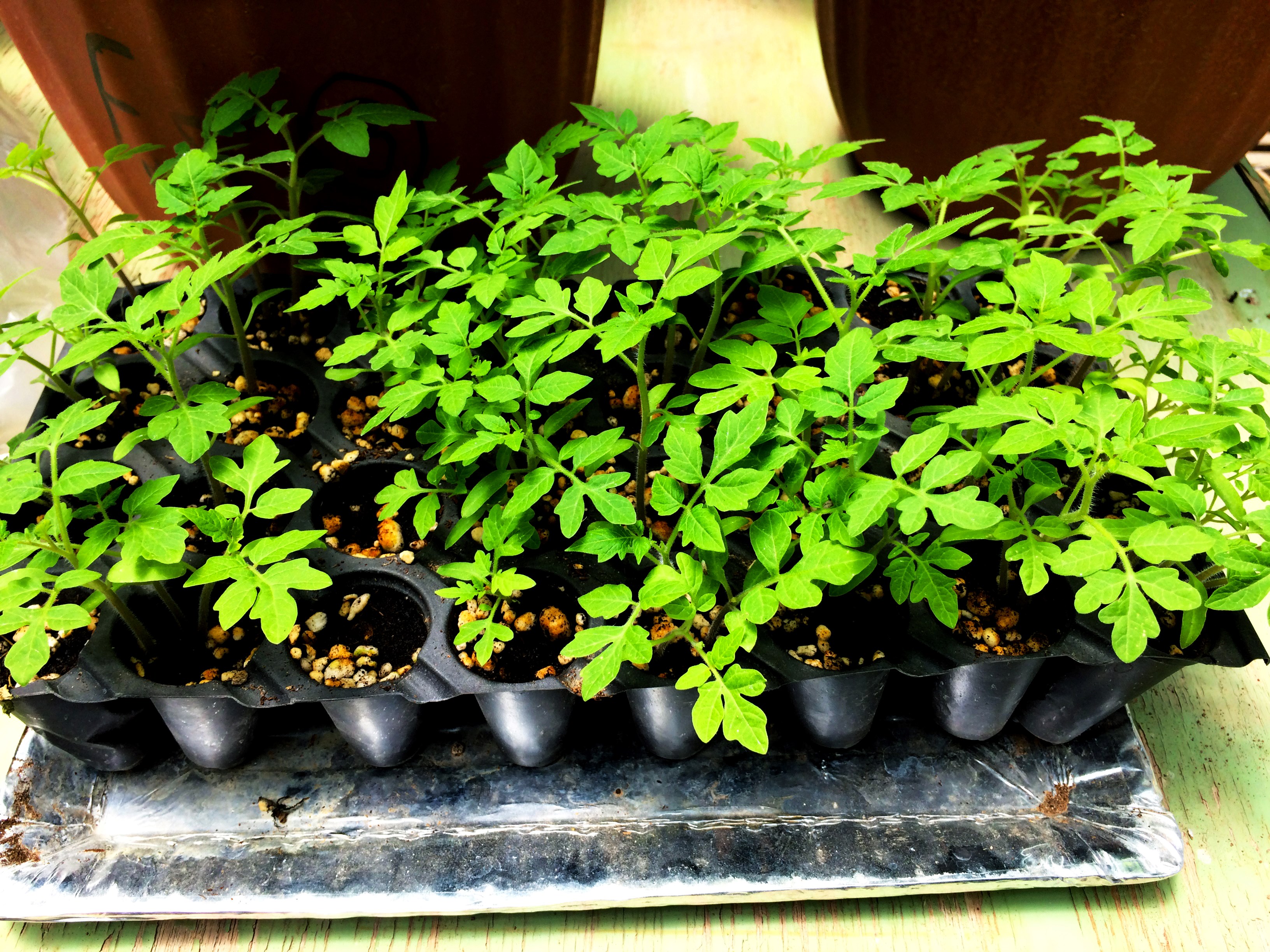
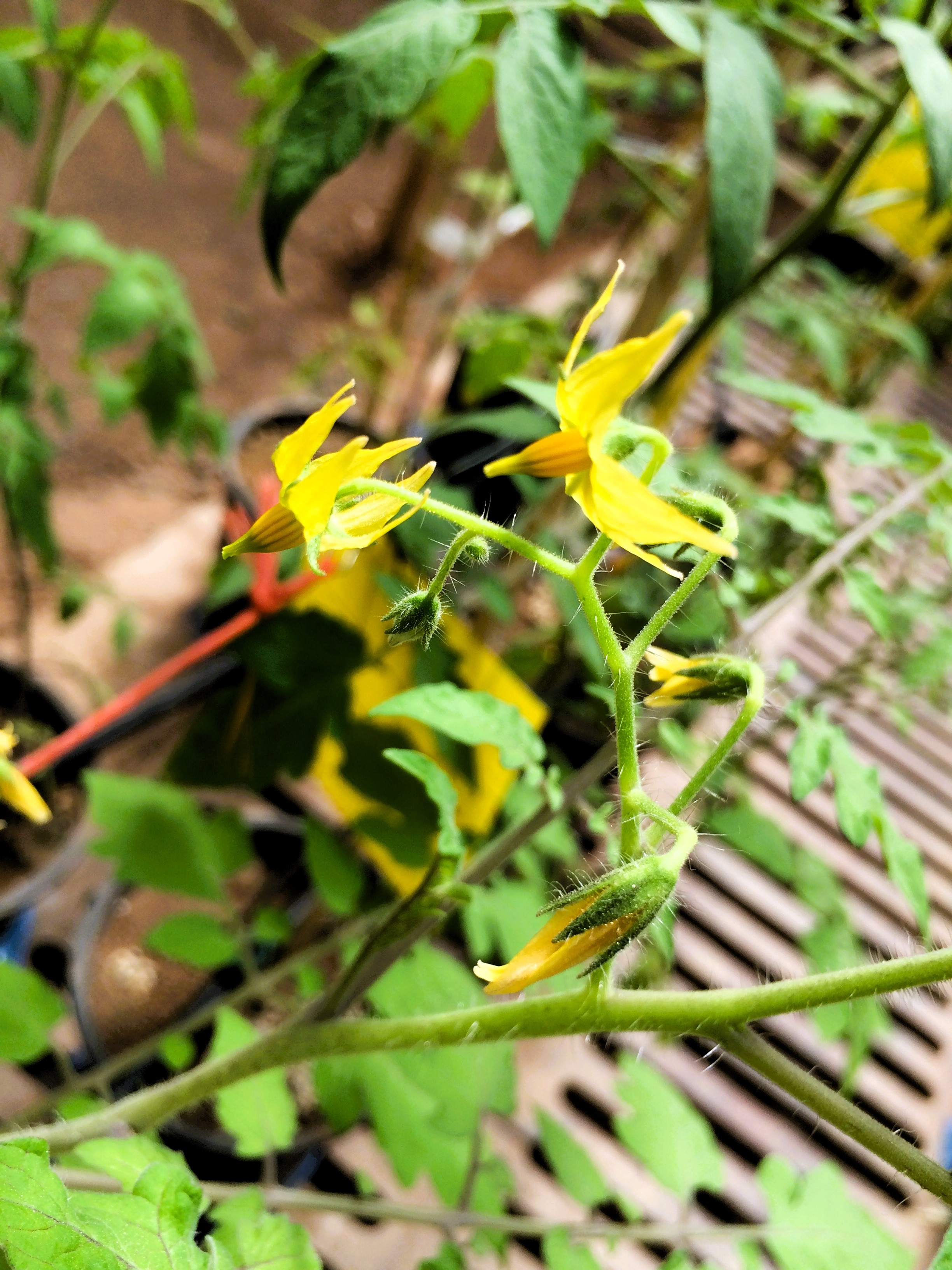
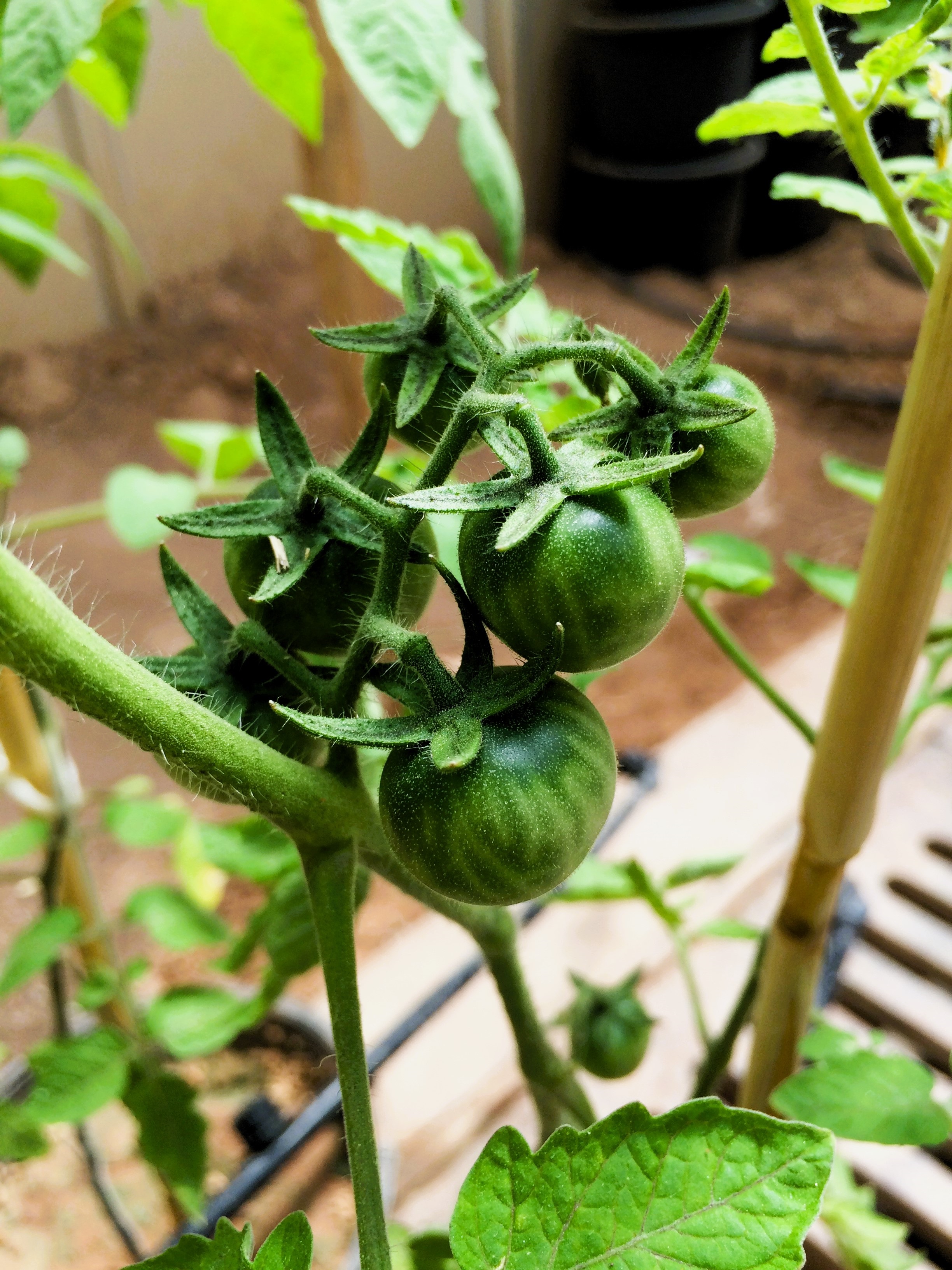
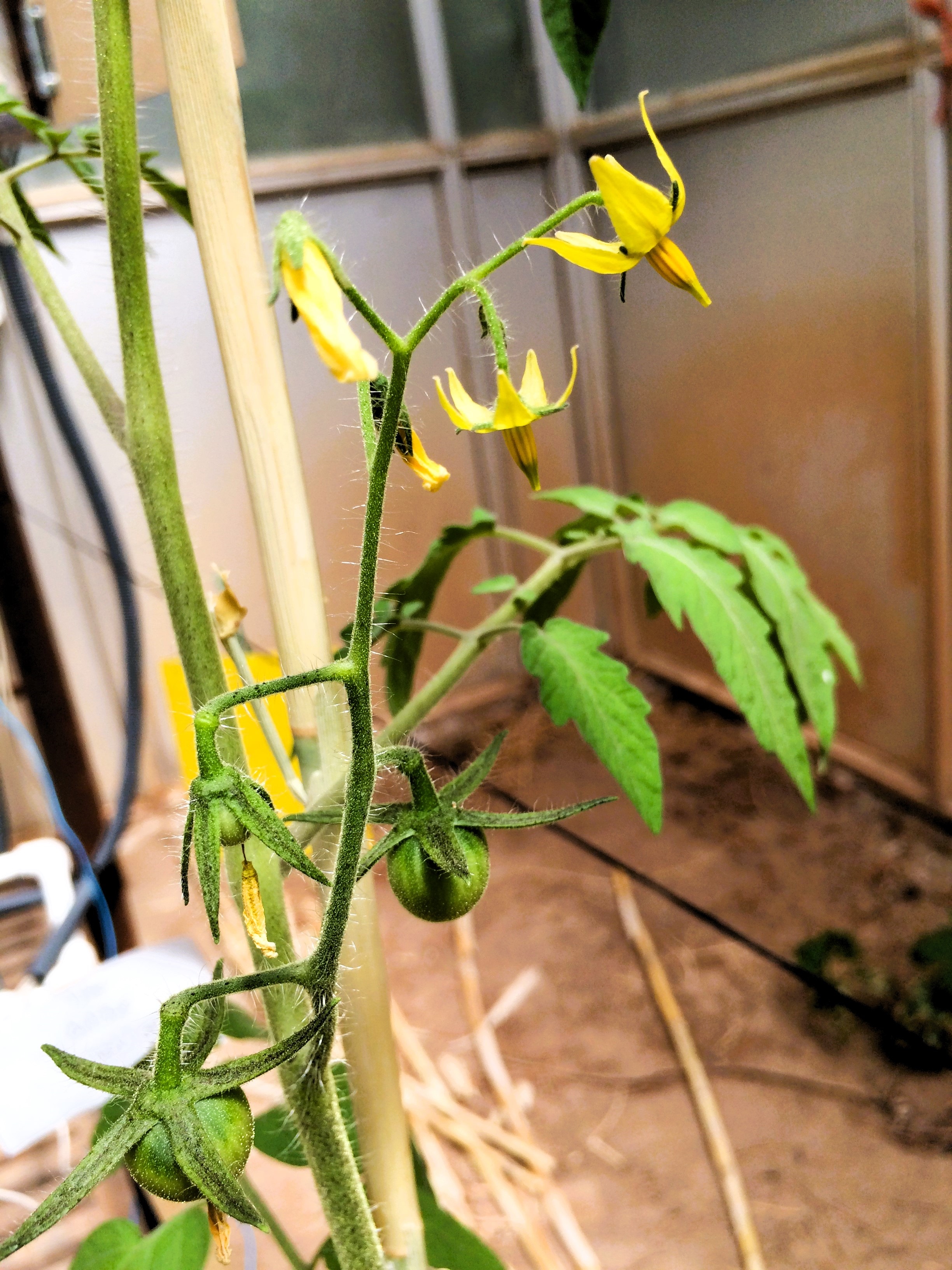
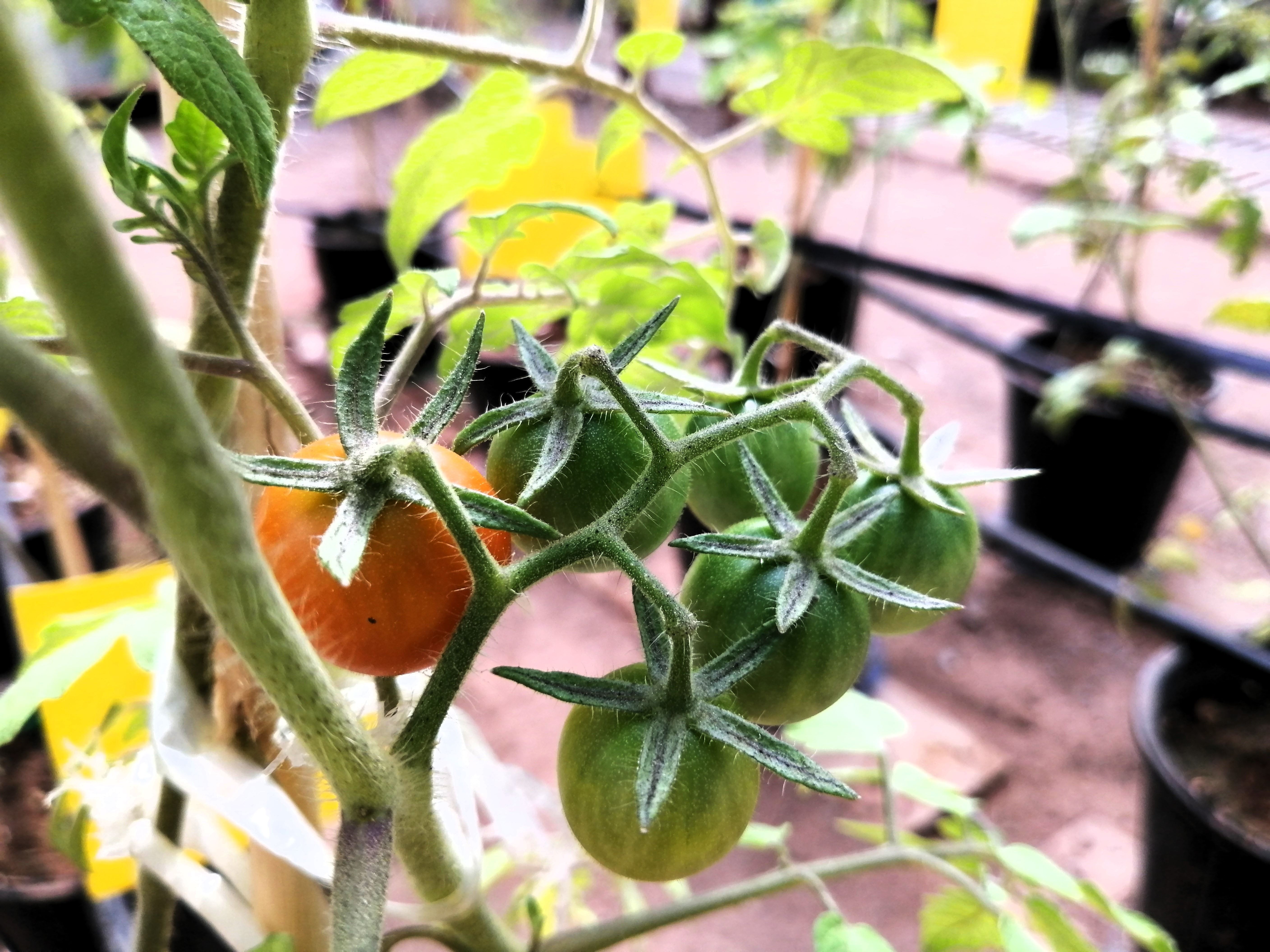
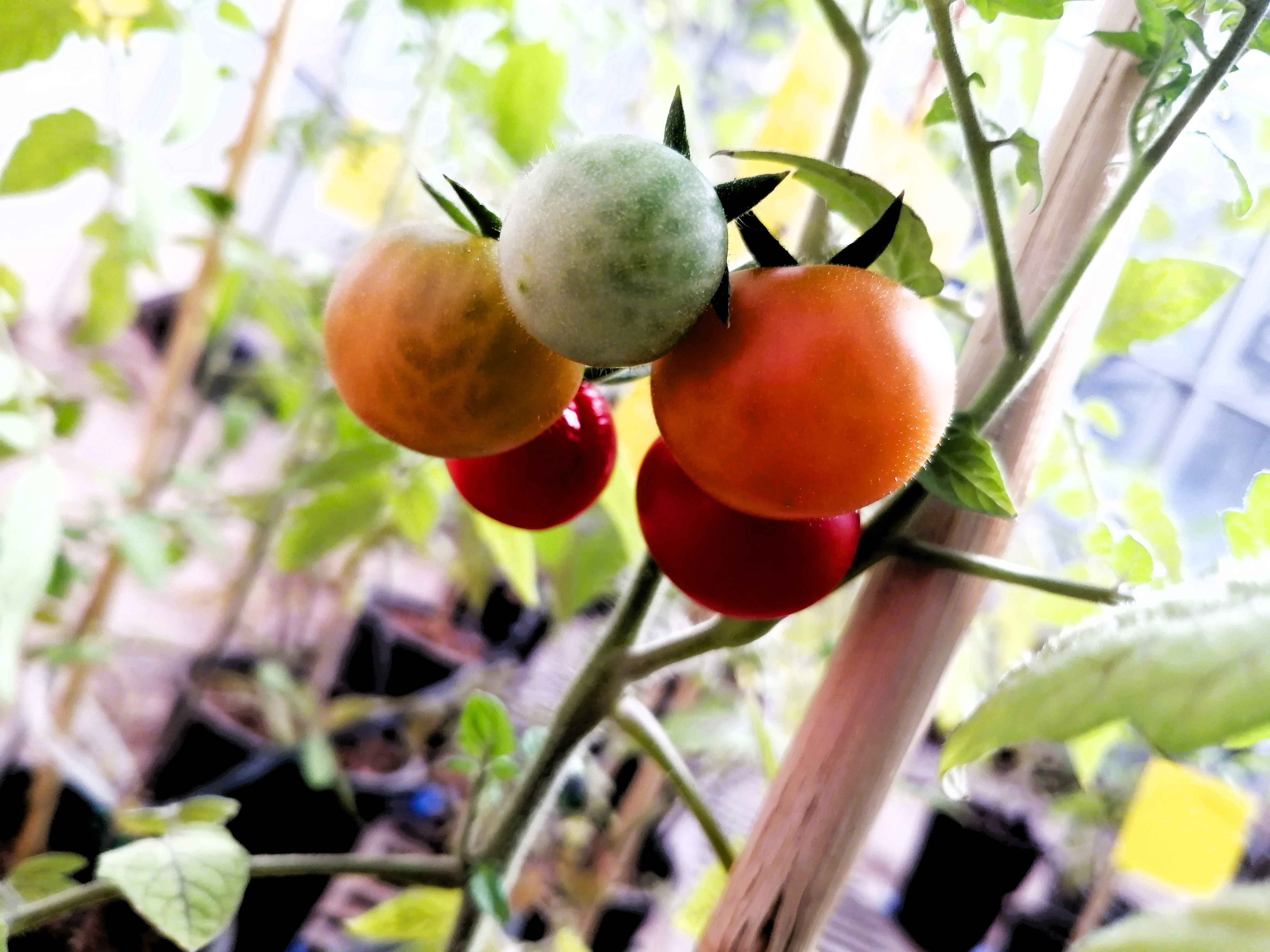
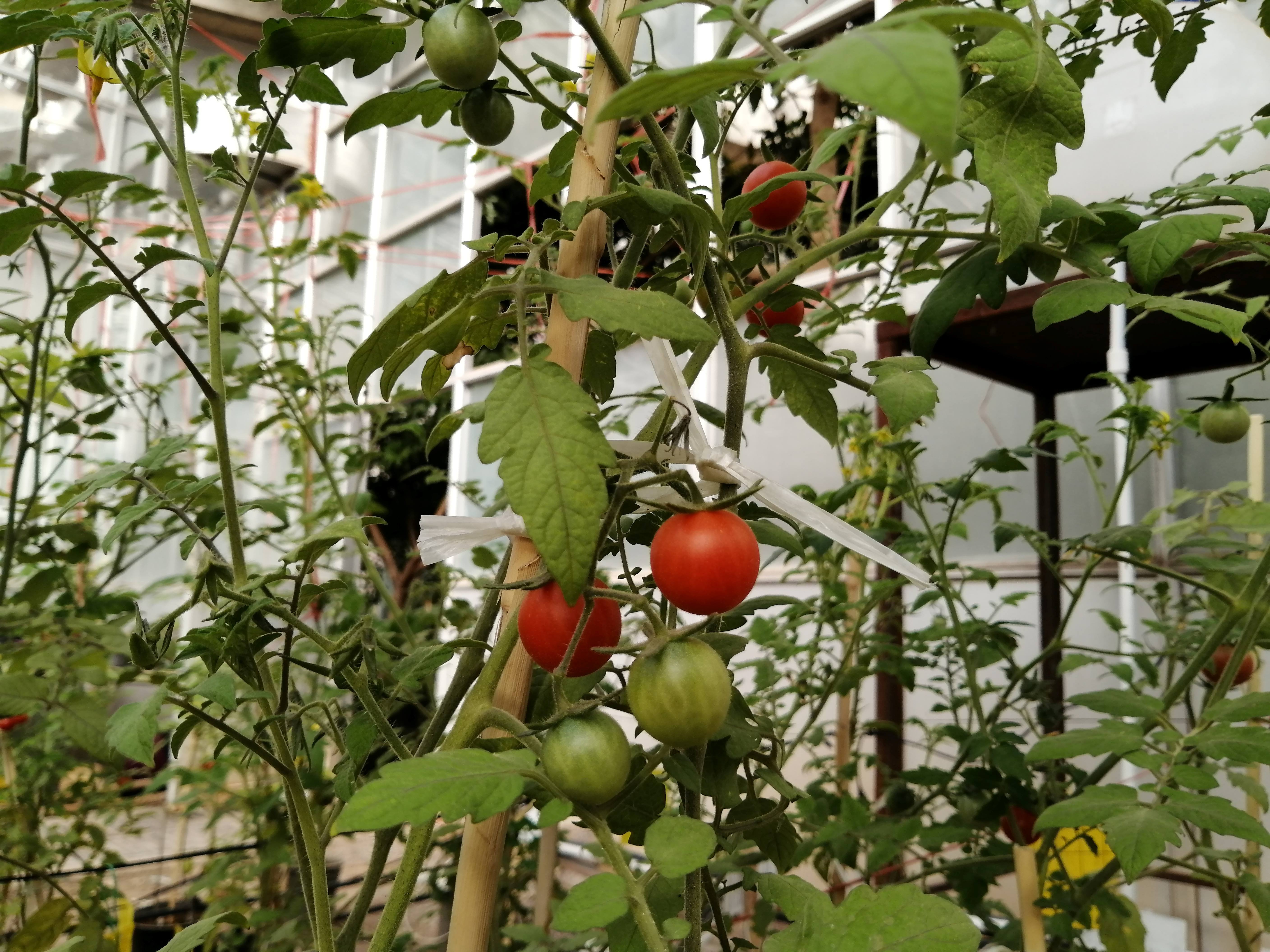
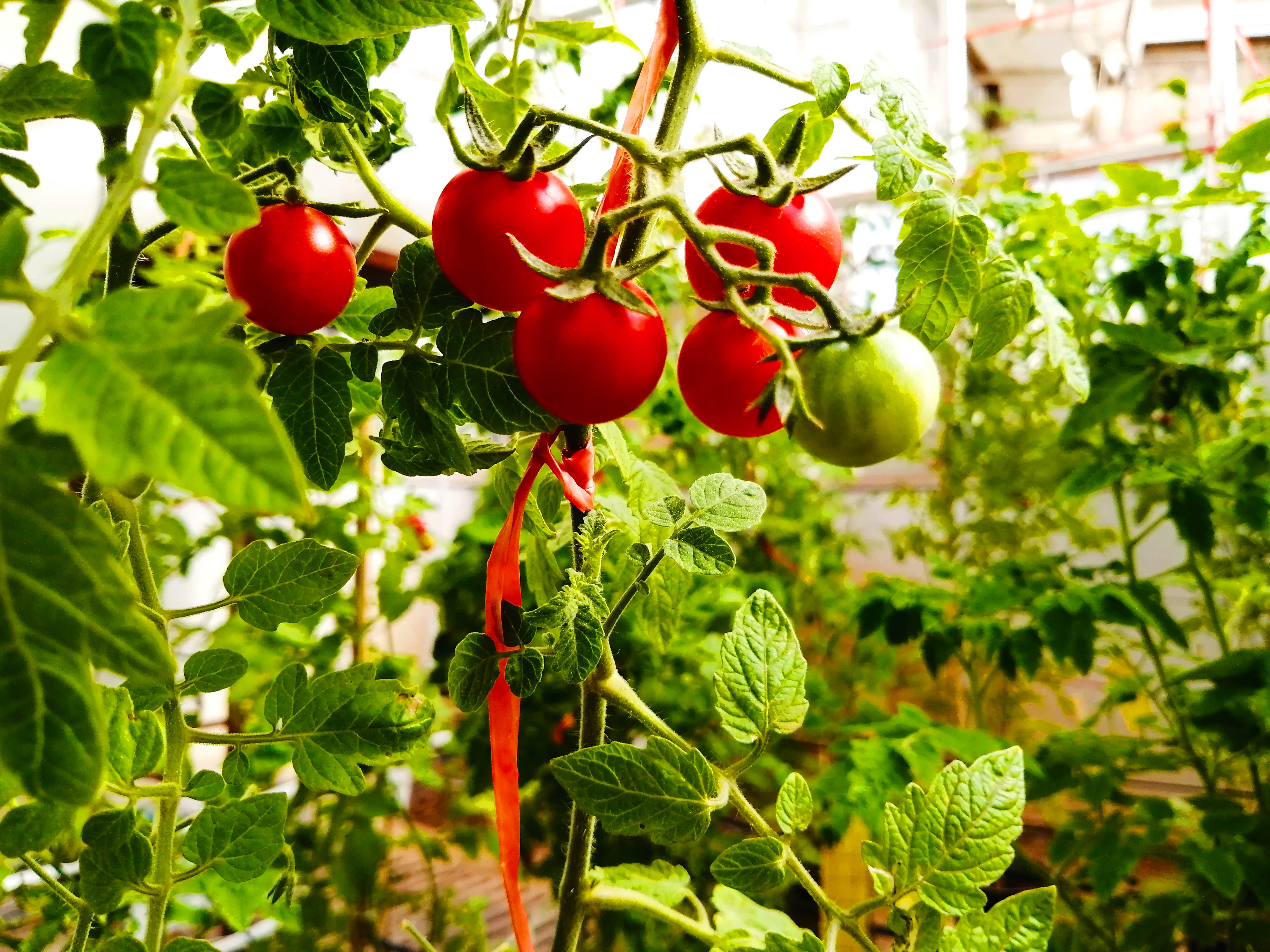
Cherry red tomato seedlings (Lycopersicum esculentum var. cerasiforme) were first prepared using seeds from Golbarg Pamchal Company with 100% purity and 98% germination rate. The seeds were sown on 10 June 2019 in peat moss-filled seedling trays, with three seeds planted in each cell.
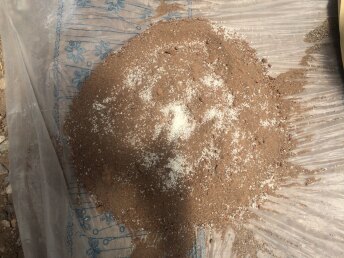
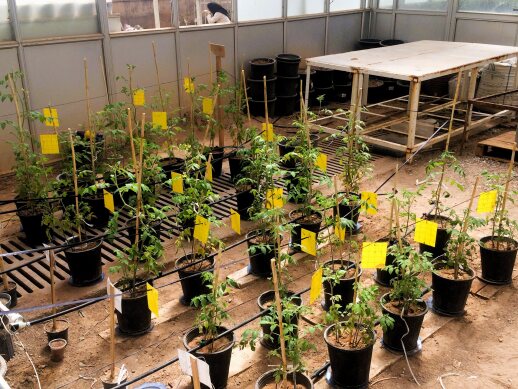
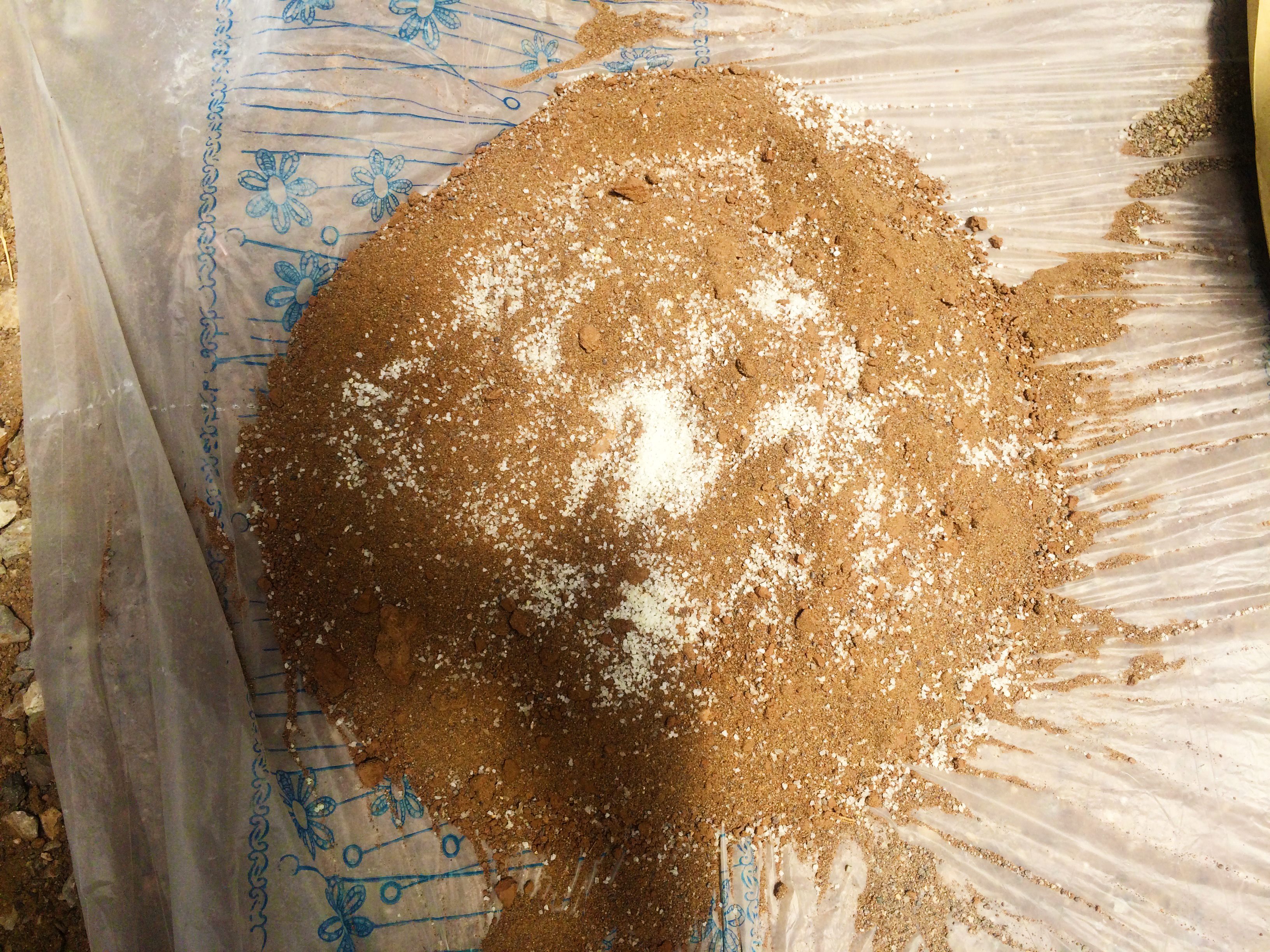
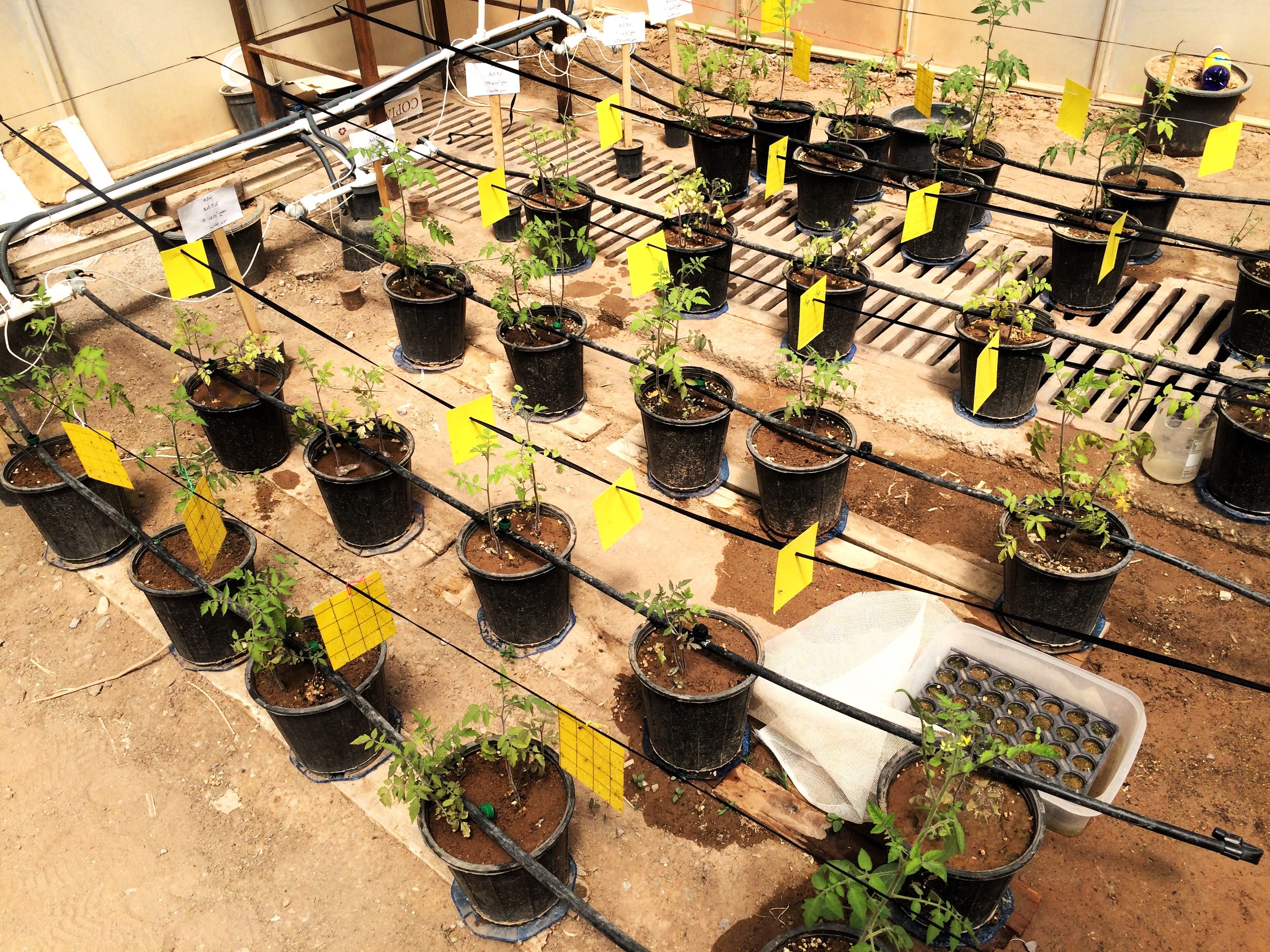
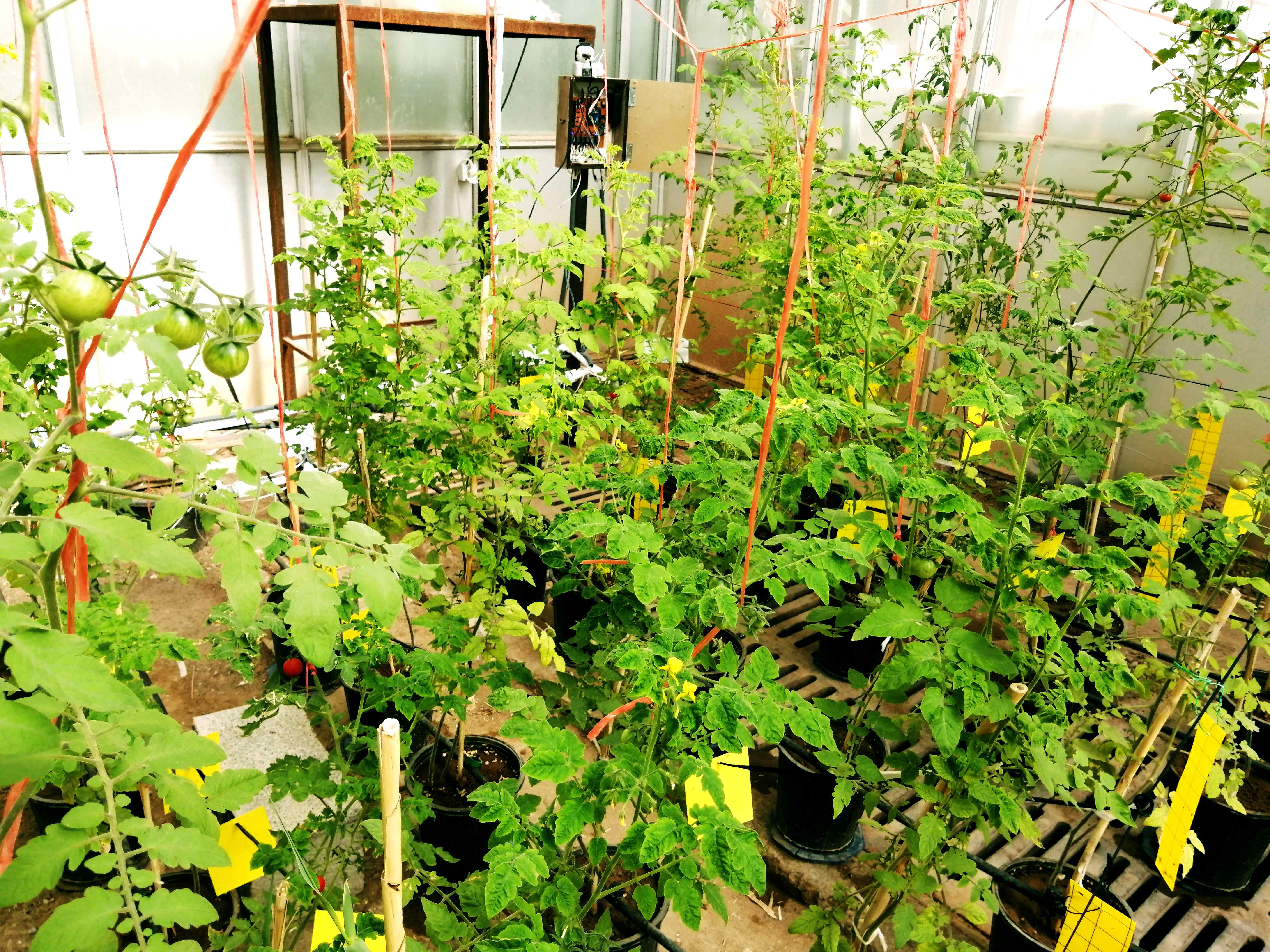
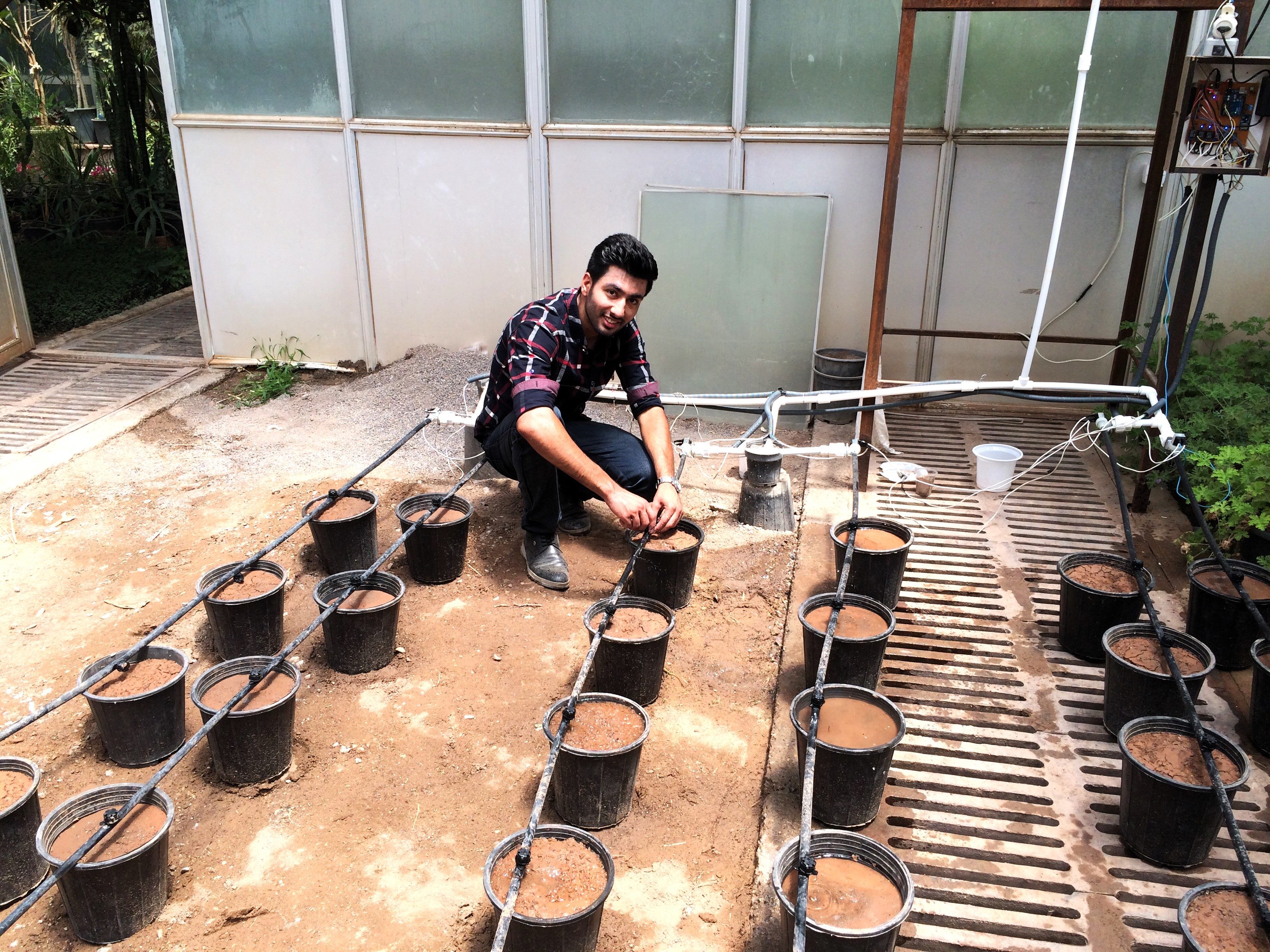
After 30 days, at the five-leaf stage, the seedlings were transplanted into main pots (22 cm height, 22 cm top diameter, and 18 cm bottom diameter) on 10 July 2019. The potting medium consisted of a 3:1 mixture of washed sand and field soil, with its physical and chemical properties presented in Table below .
Physical and chemical properties of the pot soil
| Sand (%) | Silt (%) | Clay (%) | Soil texture | Bulk density (g/cm³) | Field capacity FC (%) | PWP (%) | EC (dS/m) | pH | Available K (mg/kg) | Available P (mg/kg) | Total N (%) |
|---|---|---|---|---|---|---|---|---|---|---|---|
| 74 | 18 | 8 | Sandy loam | 1.4 | 18 | 8 | 4.24 | 7.7 | 230 | 29.5 | 0.24 |
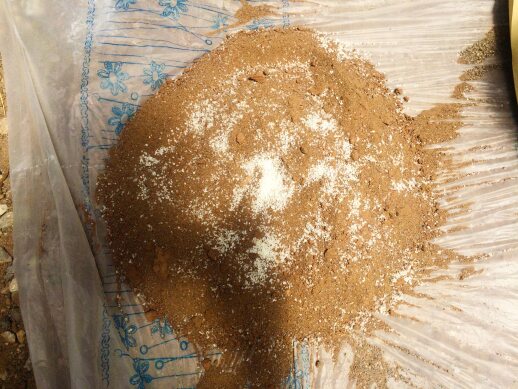
To evaluate the effect of the superabsorbent polymer in reducing water stress, two levels of Stockosorb were applied, including 0 g (control) and 5 g per kg of soil.
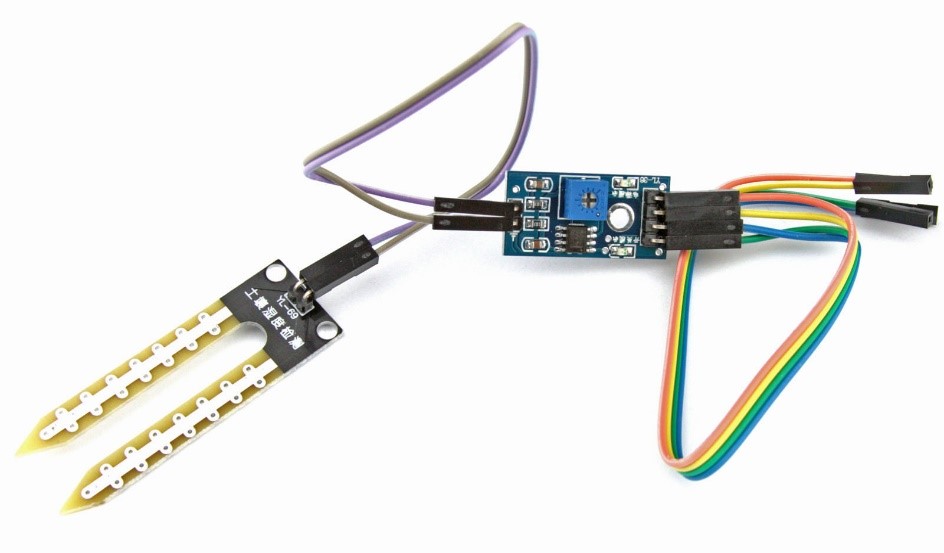
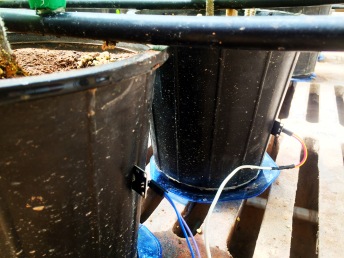
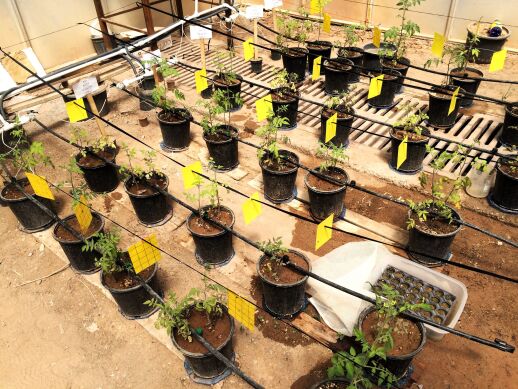
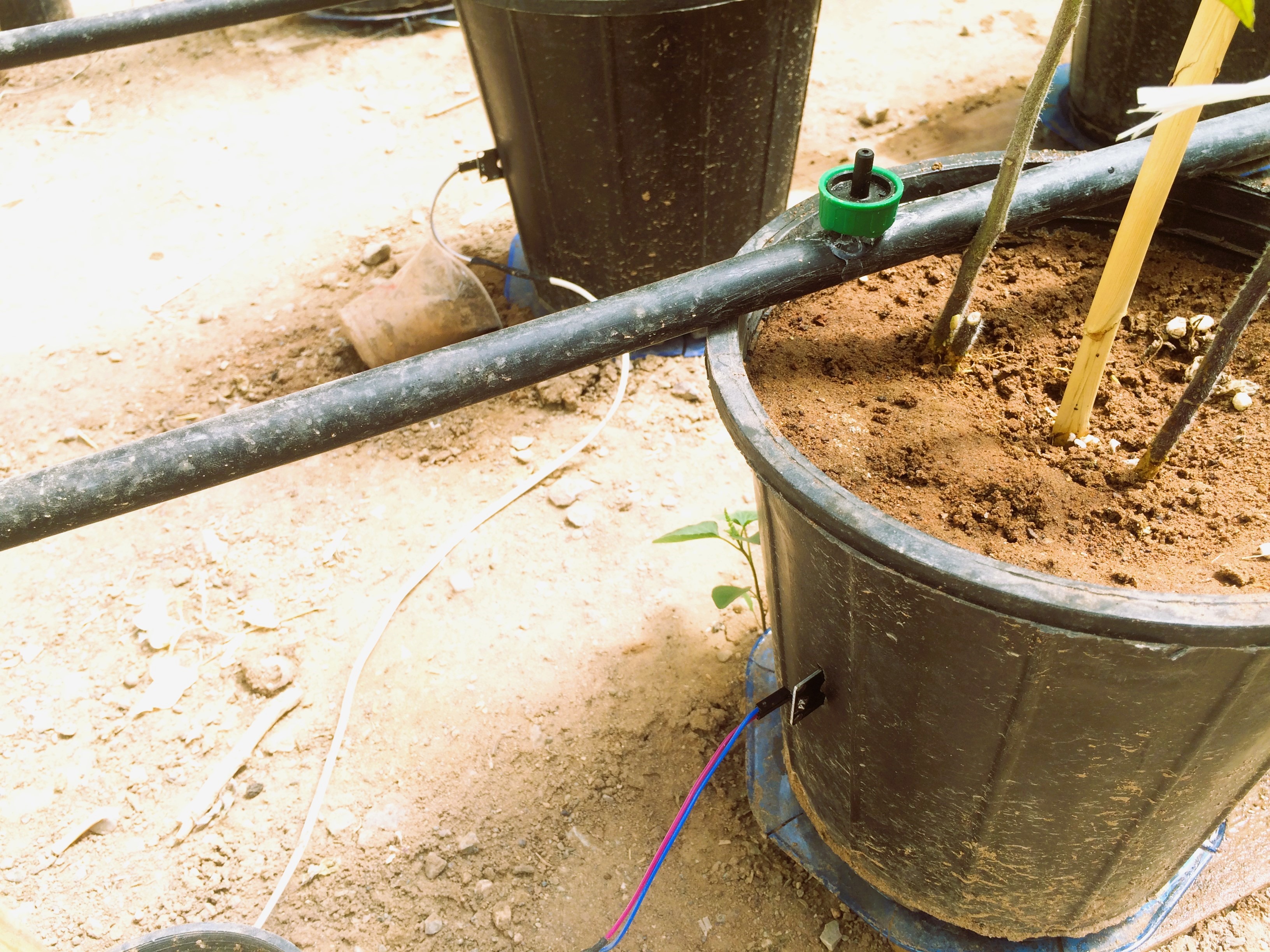
After plant acclimation, three irrigation regimes were applied throughout the growing period using a smart drip irrigation system, including full field capacity (control), 75% field capacity, and 50% field capacity. To monitor soil moisture variations in the pots, YL-69 soil moisture sensors were installed at the time of transplanting seedlings into the main pots. One sensor was placed for each treatment, positioned horizontally in the middle of the pot near the root zone.
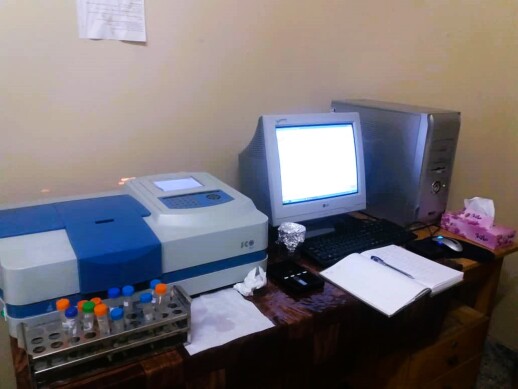
Prior to installation, the sensors were calibrated based on the soil moisture conditions of the pots, and the relationship between soil moisture content and sensor readings was established.
measured traits
3
Stem length and diameter
2
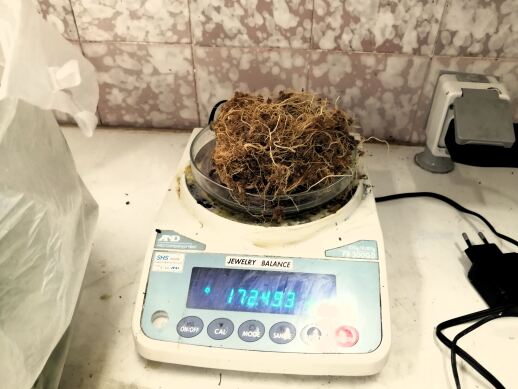
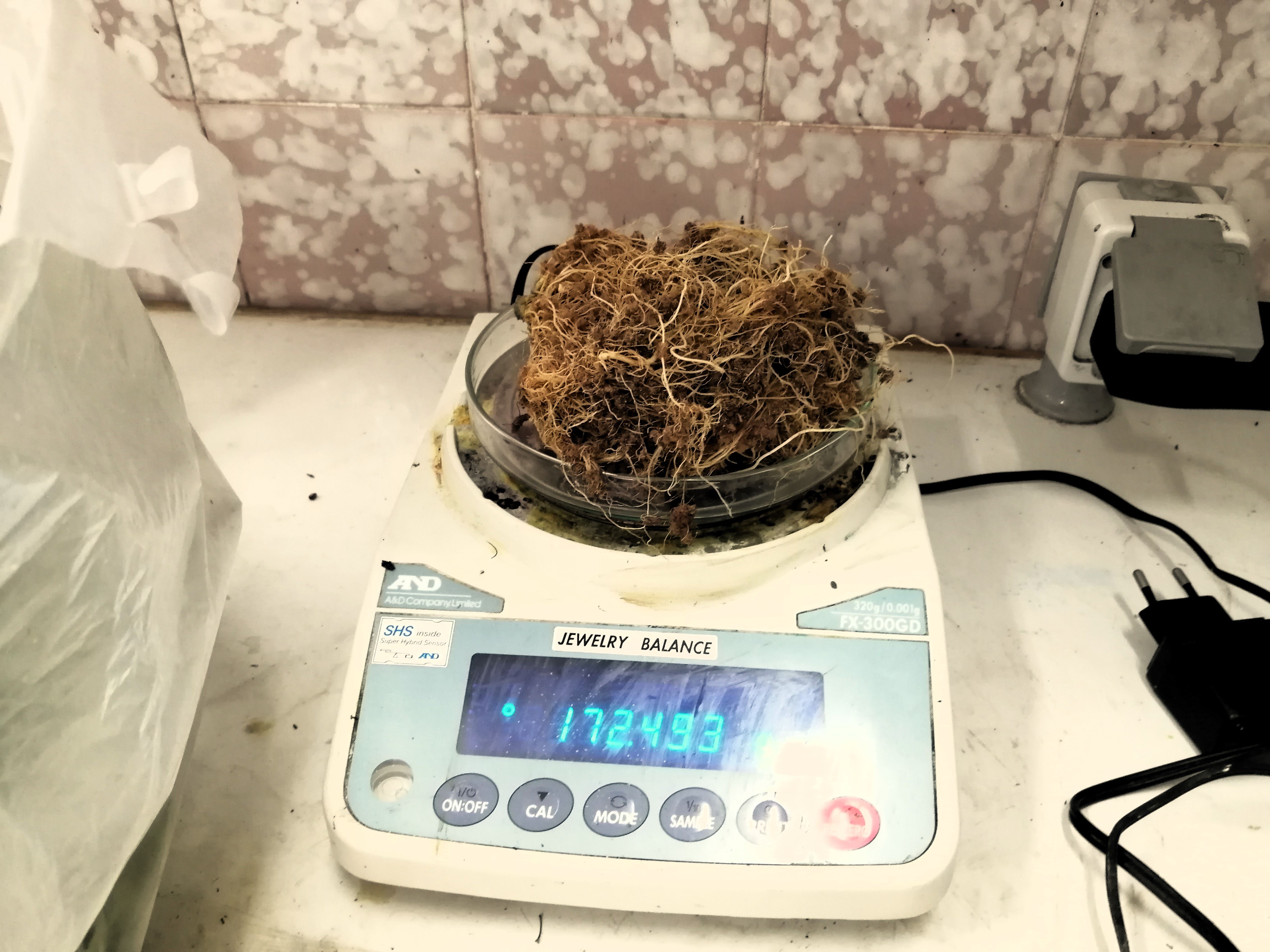
Root fresh and dry weight
1
Shoot fresh and dry weight
6
Fruit diameter
5
Fruit number
4
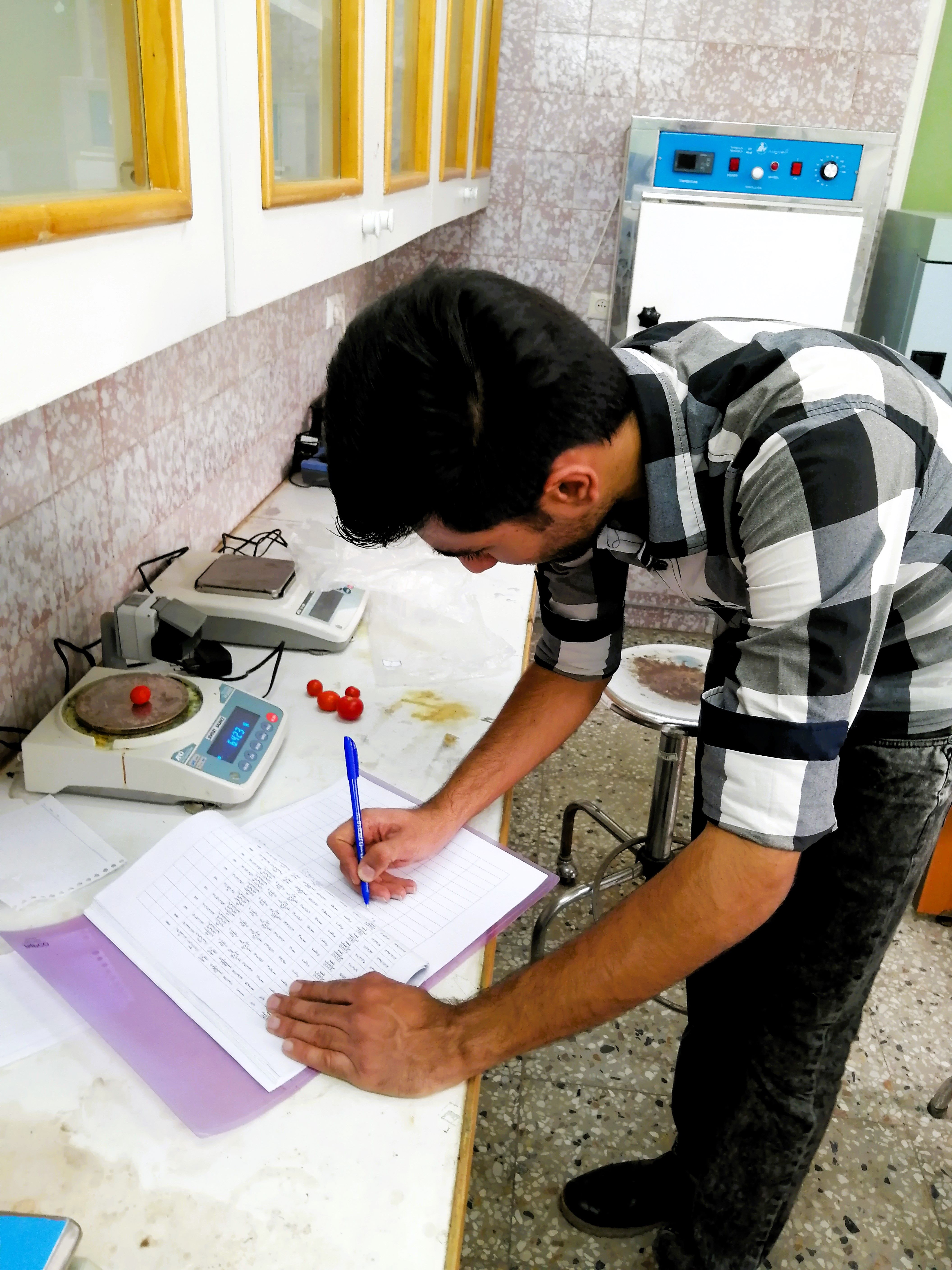
Fruit weight
9
Fruit color indices
8
Total Soluble Solids:TSS
7
Vitamin C (ascorbic acid)
11
Irrigation Water Productivity
10
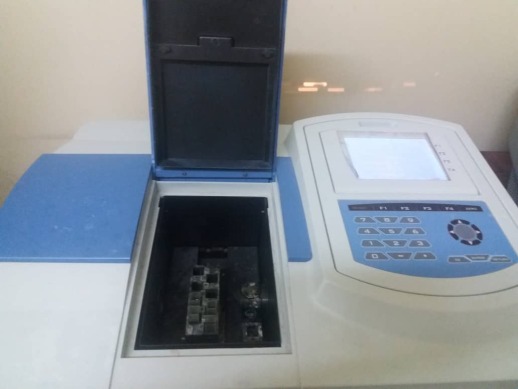
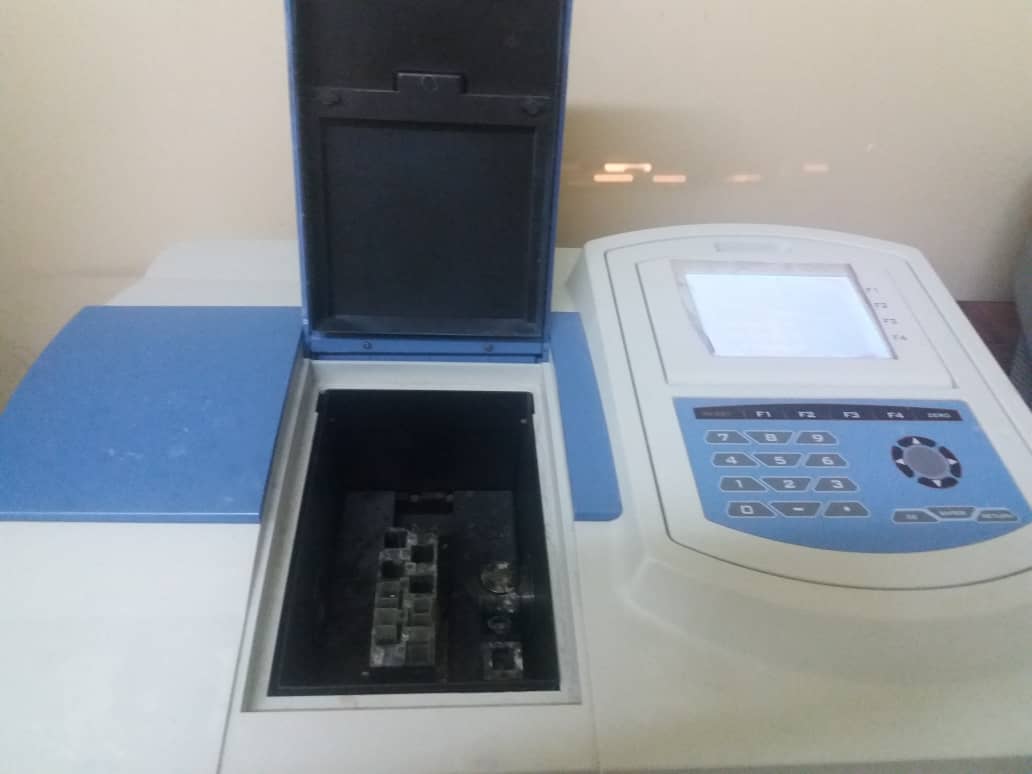
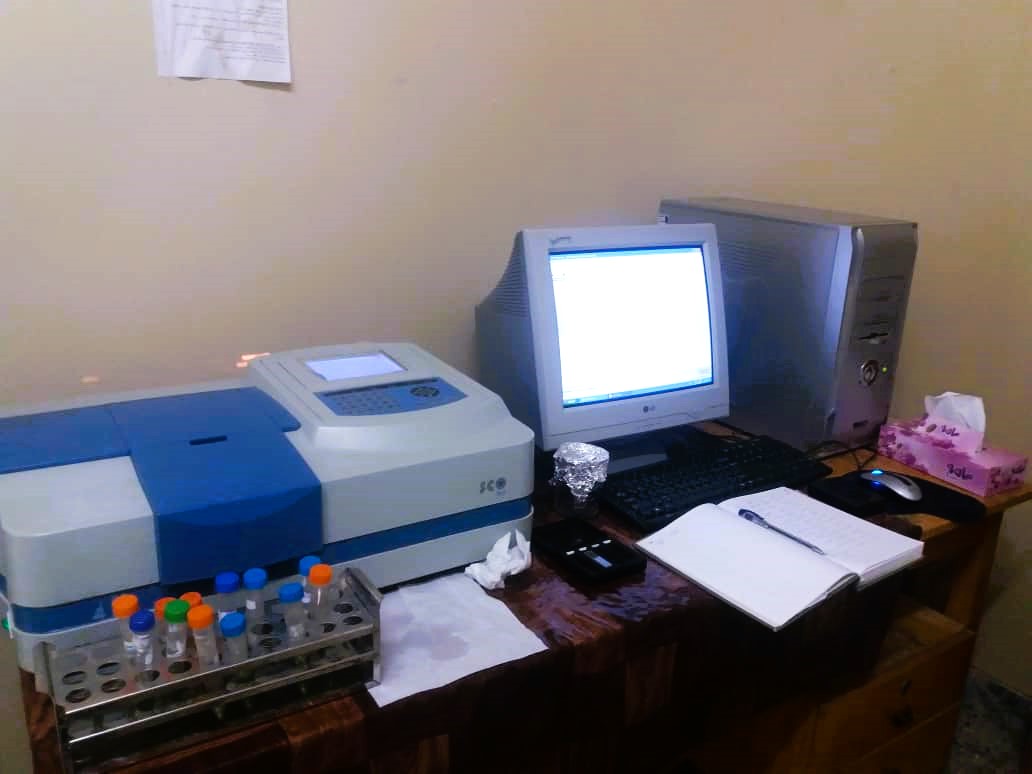
Chlorophyll a, b, and total chlorophyll
Methodology
In this study, water–yield relationships of cherry tomato were evaluated using production functions including linear, logarithmic, quadratic, and transcendental models. The model parameters were estimated under both superabsorbent and non-superabsorbent conditions using regression analysis in SAS software. Subsequently, yield was predicted using Excel, and the best-performing model was selected based on statistical indices such as MAE, RMSE, EF, CRM, CD, and R².
Modeling water–yield production functions and estimating evapotranspiration of cherry tomato in a greenhouse
Phase III
A) Evaluation of water–yield production functions
Mean Absolute Error: MAE
Root Mean Square Error: RMSE
Model Efficiency: EF
Coefficient of Residual Mass: CRM
Coefficient of Determination: CD
Goodness of Fit: R2
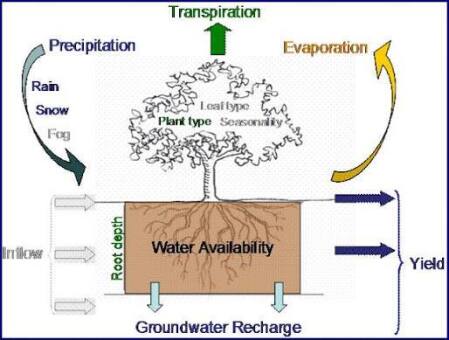
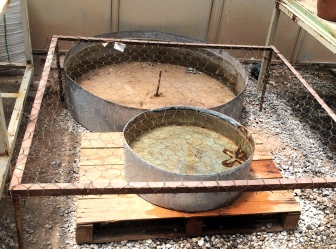
In greenhouse conditions, reference evapotranspiration is commonly estimated using different methods, with the Class A evaporation pan being widely used due to its simplicity and low cost, although it is often considered less suitable for greenhouse environments because it occupies valuable space and may have limited accuracy under low evaporation conditions. Therefore, a reduced evaporation pan was used in this study, while digital data from the light sensor were simultaneously collected to support environmental monitoring. Reference evapotranspiration was estimated using appropriate conversion and pan coefficients derived from previous studies, and actual crop evapotranspiration for cherry tomato was finally calculated by applying crop coefficients corresponding to different growth stages.
B) Measurement of Evapotranspiration in Tomato Plants
1) Class A Evaporation Pan
Evapotranspiration estimation using artificial neural network (ANN) models is a data-driven method that predicts evapotranspiration based on relationships between climatic and environmental variables. The model is trained using inputs such as temperature, humidity, and radiation, often supported by real-time sensor data in greenhouse conditions. This approach can effectively capture nonlinear patterns and provides a more flexible and accurate alternative to traditional methods for estimating evapotranspiration.
2) Estimation of Evapotranspiration Using Neural Network Models
MLP (Multilayer Perceptron)
RBF (Radial Basis Functions)
Conclusions and Suggestions
Advances in agricultural technologies have significantly enhanced farmers’ capabilities to improve productivity, stimulate innovation, and use natural resources more efficiently, ultimately contributing to higher yield and better product quality. Precision agriculture, supported by information technology and sensor systems, plays a key role in modernizing traditional farming systems and promoting sustainable agriculture through optimized input use, particularly water. In this study, a smart drip irrigation system was designed and developed to apply different soil moisture levels under greenhouse conditions, both with and without the use of superabsorbent polymers. The system’s performance was evaluated along with the effects of irrigation treatments on quantitative and qualitative traits of cherry tomato. The results showed that the smart irrigation system effectively maintained the desired moisture levels, while the superabsorbent reduced the negative impacts of water stress. Water deficit generally decreased most growth and yield-related traits, but increased certain quality parameters such as vitamin C, soluble solids, and color indices. Statistical analysis indicated significant differences among treatments, with the highest yield and water productivity observed under optimal irrigation conditions combined with superabsorbent. Additionally, water–yield production functions showed that quadratic models provided the best fit. Finally, evapotranspiration estimation using MLP and RBF neural networks revealed that the MLP model performed more accurately, with lower prediction error in greenhouse conditions.
1) The effects of different levels of water stress on the quantitative and qualitative traits of cherry tomato plants should be investigated.
2) The effects of applying various levels of superabsorbent under water stress conditions on tomato plant characteristics should be evaluated.
3) The combined effects of water stress and superabsorbent application at different growth stages should be studied in relation to tomato plant properties.
4) The accuracy of production functions in estimating other quantitative and qualitative plant traits should be assessed.
5) Different modeling algorithms should be applied to develop more complex production functions and estimate evapotranspiration, and their performance and accuracy should be compared and evaluated.
Suggestions



سبد خرید